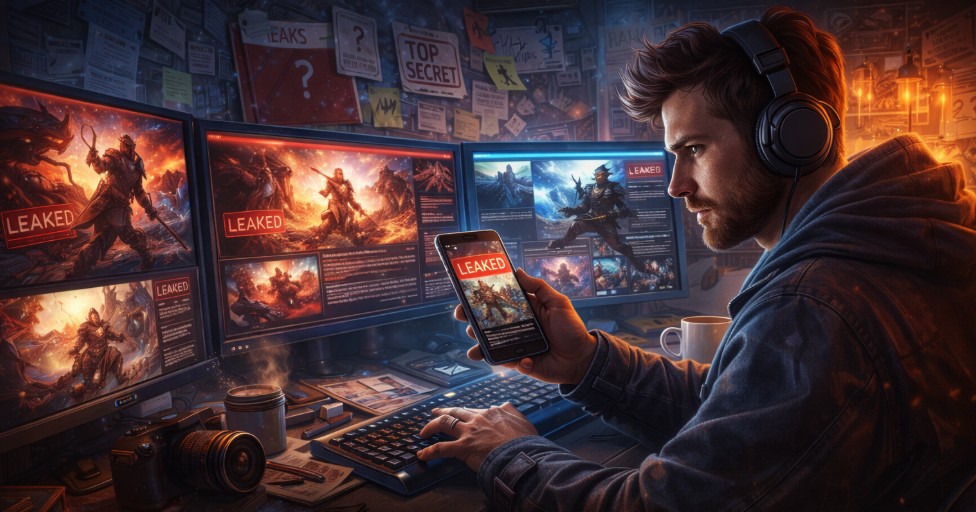
The gaming world moves fast, and fans are always hungry for news. Players want to know what is coming next, what has changed, and what surprises may be waiting. Websites that focus on early information and leaks help satisfy this curiosity. Sometimes, links like https://bizzocasino.com/ appear online as part of wider digital discussions, showing how connected the internet has become across different topics.
Game leaks usually appear before official announcements. They may include screenshots, short videos, or written details shared by insiders. These leaks often spread quickly on forums and social media. For many players, discovering early details feels exciting and makes them feel closer to the industry.
One reason leaks are so popular is anticipation. Waiting for a new game, update, or feature can feel long. Early information helps fill that gap. Even small details, such as a new character design or menu change, can spark big conversations among fans.
Another reason is community discussion. Leaks give players something to talk about. They compare opinions, guess what is real, and share hopes or concerns. This discussion builds strong online communities where fans feel connected through shared interest.
However, not all leaks are accurate. Some are incomplete, outdated, or completely false. Because of this, readers must stay careful. Understanding that leaked information is not final helps manage expectations. Developers often change plans before release.
Game developers have mixed feelings about leaks. On one hand, leaks can create buzz and keep people talking. On the other hand, they can spoil surprises and cause confusion. A feature shown too early may look unfinished and give the wrong impression.
Because of this, many studios now communicate more openly. They share teasers, developer updates, and behind-the-scenes content. This helps control the message and reduces the impact of leaks. Clear communication builds trust between creators and players.
Technology also plays a role in leaks. Cloud storage, internal testing platforms, and remote work make it easier for information to escape. A single screenshot shared privately can quickly spread to thousands of people.
Data mining is another common source of leaks. Skilled users examine game files to find hidden content. These discoveries often reveal unused items, upcoming characters, or future events. While interesting, this information may never appear in the final product.
For players, leaks can shape expectations. Seeing early footage may influence whether someone plans to buy or try a game. This makes responsible sharing important. Clear labels like “rumor” or “unconfirmed” help readers understand what they are seeing.
Content creators also rely on leaks for engagement. Videos and articles about early information often get high attention. However, ethical creators try to balance excitement with honesty. They remind audiences that plans can change.
Another important aspect is legal responsibility. Sharing confidential material can break agreements. Many insiders risk serious consequences when leaking information. This is why anonymous accounts are common sources of leaks.
Fans sometimes forget the human side of development. Games take years to create, and unfinished content is normal. Early exposure can lead to unfair criticism. Remembering that development is a process helps keep discussions respectful.
Leaks can also affect marketing plans. Carefully planned reveals may lose impact if information spreads early. This can force studios to adjust schedules or rush announcements.
Despite these issues, leaks are unlikely to disappear. As long as players care deeply about games, curiosity will drive the search for early news. The key is how this information is shared and discussed.
Responsible platforms focus on context. They explain what is known, what is guessed, and what remains unclear. This helps readers enjoy early information without misunderstanding it.
Another trend is fan-made predictions. Based on leaks, fans create art, stories, and theories. This creative response shows how deeply games inspire people. Even when leaks are wrong, the creativity they spark can be valuable.
Trust is essential in this space. Readers return to sources that are accurate and transparent. Clear writing, simple language, and honest updates help build long-term credibility.
As gaming grows globally, leaks reach wider audiences. What once stayed in small forums now spreads instantly across countries. This makes thoughtful reporting more important than ever.
In the future, we may see new ways to handle leaks. Developers might release controlled previews earlier or invite fans into testing phases. This could reduce surprise leaks while still feeding curiosity.
In the end, early information is a double-edged sword. It brings excitement and discussion, but also risk and confusion. When handled carefully, it can enrich the gaming experience rather than harm it.
For readers, the best approach is balance. Enjoy the excitement of discovery, but stay open-minded. Understand that games evolve, and not everything seen early will stay the same.
The world of game leaks reflects how passionate players are. That passion drives conversations, creativity, and connection. When curiosity is matched with respect, early information becomes part of what makes gaming culture so vibrant and engaging.


![[Rumor] Asus ROG Ally: AMD Z1 model will cost $599 and Z1 Extreme at $699](https://vgleaks.com/wp-content/uploads/2023/05/ROG-Ally-440x264.jpg)


![[Rumor] Wonders of O trademarked. A sequel to ‘Lies of P’ set in the world of Oz?](https://vgleaks.com/wp-content/uploads/2026/09/lies-of-p-150x150.jpg)

![[Rumor] Is the StarCraft Shooter Real? Leaks, Details, and Blizzard’s Mystery ARG](https://vgleaks.com/wp-content/uploads/2026/09/StarCraft-Shooter-Will-Reportedly-Be-Revealed-at-BlizzCon-150x150.jpg)