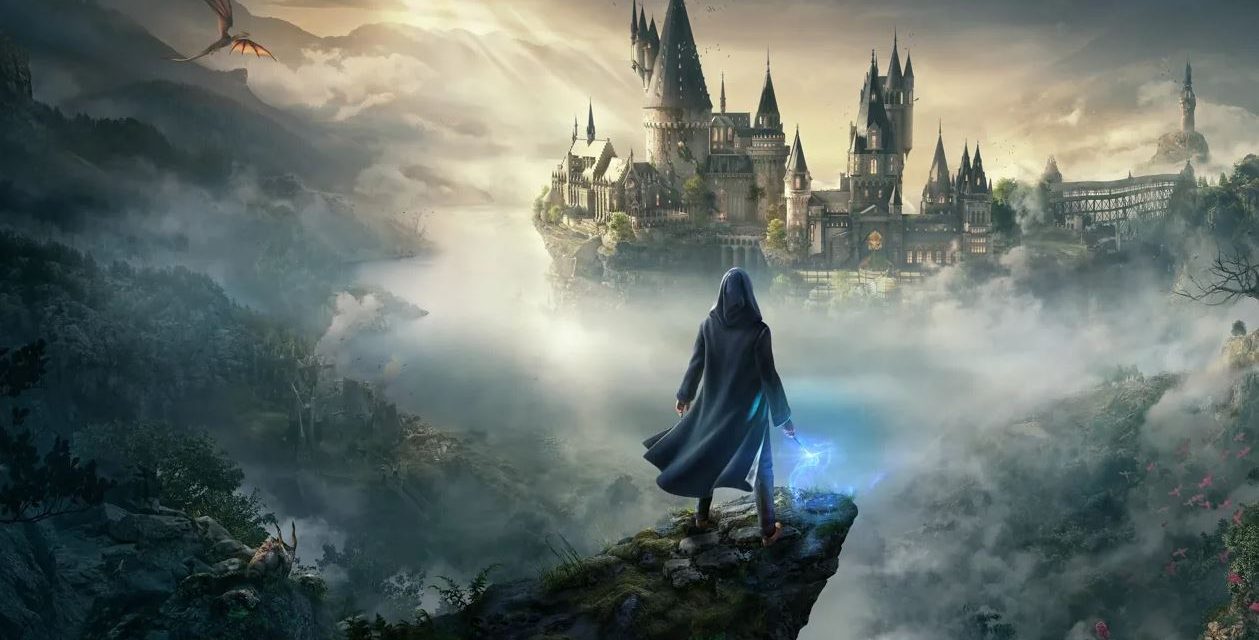
When you think of magical beasts in the Harry Potter universe, what comes to mind? Probably the adorable niffler with its love of shiny objects, or maybe Buckbeak, the proud hippogriff with a sharp beak and even sharper attitude. But Hogwarts Legacy takes the concept of magical creatures further, weaving them into a world where wonder is always tinged with danger. The result is an experience that reminds you: not every creature in the wizarding world is meant to be cuddled.
The game masterfully balances awe and terror in its bestiary. For every creature that makes you smile, there’s another lurking in the shadows, ready to remind you that nature—magical or not—is unpredictable and unforgiving. And if you’re ready to face both the marvels and the monsters, picking up a Hogwarts Legacy key is your first step into this world of beauty and unease.
The Dual Nature of Magical Creatures
One of the most striking aspects of Hogwarts Legacy is how it refuses to simplify magical beasts into “good” or “bad.” Instead, it portrays them with all the complexity of wild animals. Take the majestic graphorn: a towering, muscular beast with curling horns and the ability to bowl over an enemy squad in seconds. Yes, it’s intimidating, but once tamed, it becomes a loyal mount. The same creature that could crush you can also become your partner.
This duality is what makes the creatures in Hogwarts Legacy feel real. They’re not Disney sidekicks or mindless enemies—they’re beings with instincts, power, and agency. That means you, as a student wizard, must learn to approach them with respect, not just blind courage.
When Wonder Turns to Fear
Of course, not all magical beasts are majestic. Some are downright terrifying. The Acromantula, for example, is the stuff of nightmares. Eight eyes, hairy legs, and a taste for human flesh. Facing one deep in a forest dungeon can turn what was once a magical exploration into a survival horror sequence. The game doesn’t shy away from these moments of dread—it leans into them, letting the darkness of the wizarding world breathe.
Even relatively “normal” creatures can unsettle you. Thestrals, skeletal winged horses only visible to those who’ve seen death, force players to confront the fragility of life in a way no spellbook ever could. In moments like these, the game shifts from fantasy into something more psychological, blurring the line between fascination and fear.
The Ethics of Beast Taming
Beyond fear and wonder lies another layer: morality. Hogwarts Legacy allows players to rescue, tame, and even breed magical creatures. On one hand, this feels noble—saving beasts from poachers and ensuring their survival. But it also raises uncomfortable questions. Are you protecting these creatures, or exploiting them for your own benefit? The game doesn’t always answer that for you. Instead, it leaves the tension hanging, encouraging players to grapple with the implications of their actions.
This subtle approach is brilliant. Rather than preaching about conservation or painting beast taming as purely heroic, the game shows the messy reality of coexisting with magical animals.
Final Thoughts
At its core, Hogwarts Legacy treats magical beasts as more than set dressing. They’re living, breathing reminders that magic is both beautiful and terrifying. Every encounter—whether it’s feeding a puffskein or fleeing from a Graphorn—adds weight to the game’s atmosphere, pulling you deeper into its world.
If you’re ready to experience both the wonder and the unspoken horror of these creatures, digital marketplaces like Eneba make it easy to step into that world. Just don’t forget—sometimes the scariest part of magic is that it doesn’t care if you’re ready.



![[Rumor] Star Wars Jedi 3 announcement is imminent. It could be released in 2027](https://vgleaks.com/wp-content/uploads/2026/10/star-wars-jedi-survivor-150x150.jpg)

![[Rumor] Marvel’s Venom is still in development](https://vgleaks.com/wp-content/uploads/2026/09/venom-150x150.png)
![[Rumor] A real physical version of GTA 6 could be on the horizon and more real than it seems](https://vgleaks.com/wp-content/uploads/2026/08/leak-GTA-VI-150x150.jpg)
![[Rumor] A New Killzone Could Be in the Early Stages of Development](https://vgleaks.com/wp-content/uploads/2026/09/Killzone-j-150x150.jpg)