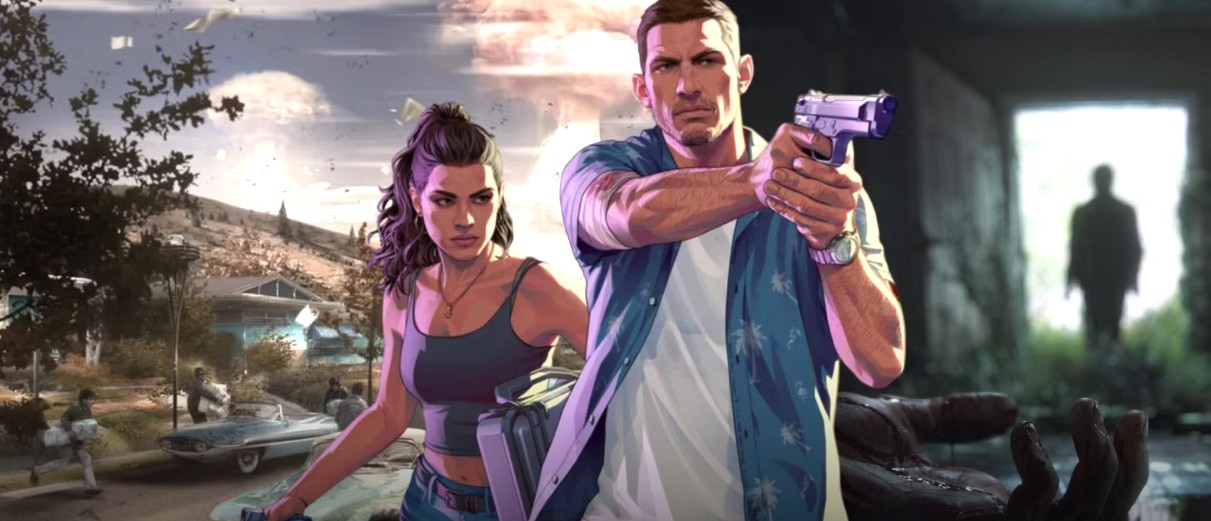
For many video gamers, the anticipation of waiting for a new game is one of the most exciting parts of being a video gamer. The day that Grand Theft Auto V was released, gamers around the world booked days off work or feigned illness to ensure they could dedicate the launch day to enjoying the much-awaited pleasure without distraction.
The Role of Anticipation
Anticipation can build for weeks or even months, with hardcore gamers counting down the days like a kid excited for the festive holidays. As well as getting enjoyment through the anticipation of games where release dates have been announced, another element that adds fun for gamers is guessing which games are coming or what to expect in the next release of a franchise game.
A gaming rumor cycle ensues, gaming community forums and networks are filled with the buzz of speculation. Online leaks might add to the hype, and gamers debate whether the leak is genuine, this gaming rumor cycle can provide more dopamine than actually playing a game when it arrives.
Gamers search online content for clues and get into discussions about what they are hoping for. An unexpected reveal can provide another dopamine hit, which is similar to the reward loop casinos use in their game designs.
For example, playing a slot game on Tikal Casino provides a reward loop based on the build up of anticipation as you spin reels and await the result. When the player hits a win, they receive their reward and they want to feel that experience again, so they repeat it.
Waiting for a game rumor to be confirmed is just a lengthier version of this loop, with the reward being the confirmation of a rumor.
How Game Publishers Feed the Rumor Cycle
Creating anticipation around upcoming releases is an important part of the publishers’ marketing strategies. The more social media comments, forum discussions and online chatter they can create, the more sales they are likely to generate.
Publishers often tease gamers with cryptic messages and clues to solve, with every hint creating a wave of excitement and debate. They play into the curiosity of the gaming community and encourage gamers to play detective by working out what the clues are alluding to.
Games can be a long time in development and interest can die off quickly if there is no news about progress. Drip feeding regular teasers keeps the interest levels high, so that when the release date arrives, everyone who has been participating in the rumor cycle will be rushing to purchase the game.
Many game publishers also stage ‘leaks’, or start off online rumors but these are carefully planned marketing ploys coming directly from the inside. They may use online rumors to test how the gaming community reacts to a rumor, providing them with feedback that can then be incorporated into design updates.
There are also more obvious tactics used such as countdown timers to the launch date, which also heightens the anticipation levels. Releasing trailers that capture just a small amount of the gameplay is another major phase in driving anticipation.
Why the Rumor Cycle Never Ends
Much of the fun is in the anticipation phase and the gaming rumor cycle is a key component of this. Even when a game is finally launched, this does not mean that the rumor cycle ends, it just moves onto the next rumor.
The rumor cycle becomes a form of entertainment in its own right and it is similar to solving a puzzle, as gamers search for hints at what could be coming from game providers and people within the gaming industry who are usually well informed of developments.
If you visit an online community like Reddit or go on Discord, you will probably read complaints from gamers about how frustrated they are at waiting for a release but the truth is, without this gaming rumor cycle, some of the fun is diluted.
Even if a rumor dies down, it only takes one gamer to bring a discussion thread back to life or the crafty work of a marketing team looking to ensure that the buzz stays alive. This is why rumor cycles never die, gamers may not realize it at the time but one of the most rewarding parts of gaming is the thrill of anticipation.
Game publishers are always coming up with new ways to drive excitement, such as announcing and co-ordinating event-based reveals so that gamers can be together and share the thrill of the game launch. When an event is announced, this usually sends the rumor cycle into overload.





![[Rumor] Nintendo could release an Ocarina of Time Remake, a new Star Fox this year, and a new 3D Mario in 2027](https://vgleaks.com/wp-content/uploads/2026/03/ocarina-of-time-150x150.jpg)