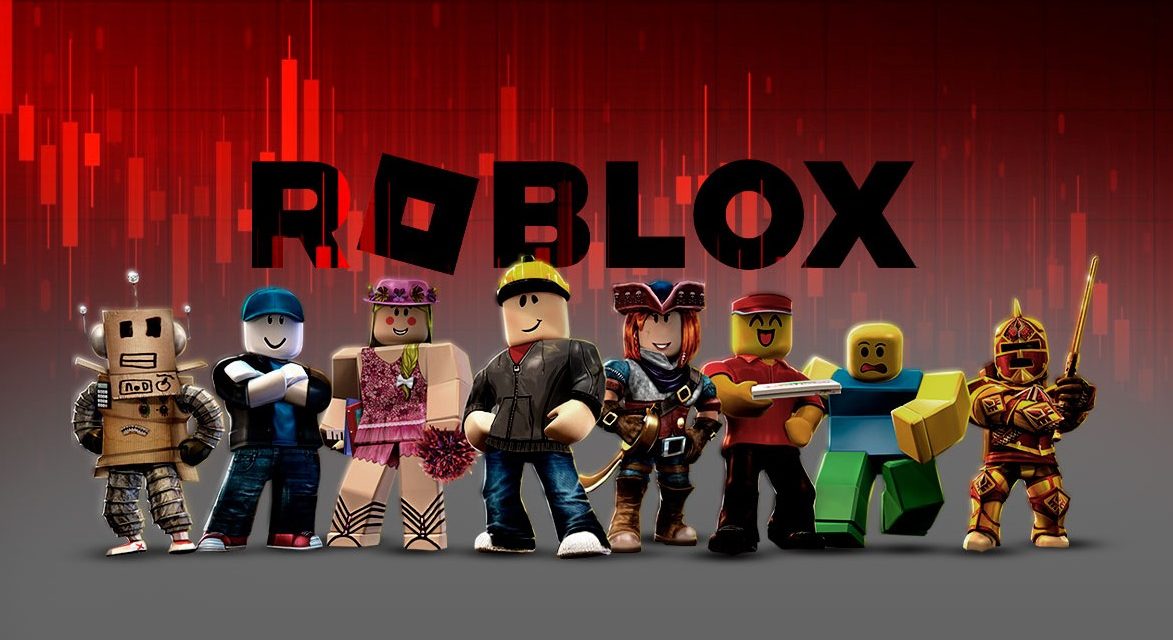
The Legal Reality Behind Virtual Playgrounds
Online games have evolved into immersive digital spaces where young users socialize, create, and collaborate. Platforms such as Roblox are particularly popular among children and adolescents, offering user-generated content and open interaction features that resemble social networks more than traditional games.
This shift has brought new legal considerations. Once viewed solely as entertainment products, online games are now under scrutiny for their management of user safety. The increasing presence of minors and the interactive nature of these platforms mean that companies must consider more than content delivery—they must address the real-world risks arising from unsupervised digital environments.
Regulatory bodies and legal experts are beginning to question whether existing policies are adequate to protect children in these spaces. Cases involving grooming, exploitation, and exposure to explicit content have prompted courts to examine not just user behavior, but also how platform design and oversight may contribute to harm. As a result, companies that develop and maintain these platforms are facing growing expectations around safety and accountability.
At the core of these expectations is the legal concept of duty: what actions must a platform take to reduce risk, and what happens when it fails to act? These are no longer theoretical questions—they are becoming central to legal challenges faced by some of the largest digital platforms in the world.
How Sexual Abuse Occurs Inside Online Gaming Platforms
Many gaming platforms designed for younger users are intended to encourage social interaction. Features like private messaging, in-game chat, and customizable avatars are designed to foster engagement and creativity. But when these tools are misused, they can become channels for inappropriate contact, grooming, and abuse.
In environments such as Roblox, exploitation often begins subtly. Abusers may pose as other players, gradually building trust with minors before introducing inappropriate behavior. Some use suggestive roleplay or guide children to off-platform messaging apps, where communication is harder to monitor. Even with automated filters and reporting systems in place, harmful interactions may not be detected immediately.
The issue is not just the behavior of individuals. From a legal perspective, the platform’s structure and oversight are key. If a platform facilitates user interaction but lacks effective safeguards, questions arise as to whether it has fulfilled its legal obligations.
Reports of recurring abuse, failure to act on flagged accounts, or persistent exposure to harmful content can strengthen claims that a company was negligent. The law considers whether harm was foreseeable and whether reasonable efforts were made to prevent it. When those efforts fall short, legal responsibility may shift from individual users to the platform itself.
Platform Responsibility and Duty of Care
When abuse occurs on a platform used primarily by minors, legal examination often centers on the duty of care. Companies that create digital spaces for children are expected to implement safeguards that reflect the inherent risks of those environments. These responsibilities are grounded in well-established negligence standards.
Foreseeability is a key element. Platforms that allow open messaging, shared virtual spaces, and user-generated content are expected to understand how these features can be misused. When prior incidents, user complaints, or moderation reports indicate ongoing risks, the platform’s duty to intervene becomes more urgent.
Courts also consider the effectiveness of moderation efforts. Having content filters or reporting tools in place may not be sufficient if they are not actively enforced. Delays in response, insufficient staff oversight, or technical flaws in detection systems may suggest negligence. Legal responsibility may extend when failures in moderation permit repeated or prolonged abuse.
Families affected by these incidents often face complex emotional and legal decisions. Pursuing legal help for Roblox sexual abuse allows victims and their families to understand their options and determine whether the platform’s conduct meets the threshold for civil liability. These legal avenues are increasingly used to seek accountability for harm originating in digital spaces that have very real offline consequences.
Why These Cases Are Reaching the Courts
The number of lawsuits connected to abuse on gaming platforms is growing. What was once viewed as isolated misconduct is now recognized as a broader issue tied to platform design, enforcement gaps, and the failure to adapt to known risks.
Legislators and regulators have responded by broadening the scope of online child safety standards. These changes have fueled legal actions in which plaintiffs argue that platforms failed to meet obligations under negligence, child protection, and consumer safety laws. Some claims assert that platforms made misleading safety claims or failed to warn users of known threats.
A defining characteristic of these cases is the legal focus on platform conduct. Courts are no longer limiting their analysis to user behavior. Instead, they are evaluating how communication tools, community features, and response protocols contribute to harm. Legal authorities rely on evolving regulatory obligations for digital platforms to assess whether companies have taken appropriate steps to minimize risks in digital environments intended for children.
The outcomes of these cases are helping establish precedent, guiding future litigation, and signaling that digital platforms are not exempt from the legal responsibilities that apply in other industries.
The Long-Term Legal Consequences for Game Platforms
Litigation surrounding abuse-related incidents carries serious consequences for gaming companies. Beyond reputational damage, legal proceedings can incur significant financial liability, including settlement and defense costs. Insurers and investors may also reconsider their relationships with platforms that fail to manage risk effectively.
Legal outcomes often lead to operational changes. In response to litigation or regulatory findings, companies may modify their moderation protocols, turn off certain features, or limit private communication functions. Platforms that rely on user-generated content and serve younger audiences are particularly affected, as such systems require continuous oversight.
The broader industry is beginning to shift its approach. Game developers are incorporating safety reviews into development cycles, assigning dedicated teams to moderation, and implementing stricter age-verification systems. Discussions about governance and safety standards are now common in industry circles, particularly regarding how games manage player interactions.
This growing emphasis on legal compliance reflects the reality that platforms are being held accountable not only by users but also by courts and regulators. As a result, legal frameworks are shaping how digital games are created and maintained.
An overview of these industry responses has been included in recent coverage of systems that ensure fair play in online gaming, where trends indicate increased responsibility placed on developers and publishers to anticipate legal risk and adapt accordingly.
What Legal Accountability Means for the Future of Online Games
The legal system’s evolving approach to digital harm recognizes that exploitation within online games can result in long-term trauma. The psychological and emotional impact of abuse does not diminish simply because it occurred in a virtual space. Courts are increasingly treating these incidents with the same seriousness as similar offenses that occur offline.
This evolution places greater responsibility on platforms to act before harm occurs. Preventative measures, stronger reporting infrastructure, and transparency around safety processes are now part of what courts consider when determining liability. Passive tools are no longer viewed as sufficient when the risk of harm is clear and recurring.
For victims and their families, legal options continue to expand. The growing body of case law and regulatory guidance makes it more feasible to pursue claims when platforms fail to protect users. These developments also serve as a warning to developers: legal accountability is now integral to operating an online platform for minors.
As the line between digital and real-world interaction continues to blur, the legal obligations of gaming companies will only become more defined. Platforms that adapt early, invest in safety, and prioritize user protection will be better positioned to withstand scrutiny—both in the public eye and in the courtroom.






![[Rumor] Star Wars Jedi 3 announcement is imminent. It could be released in 2027](https://vgleaks.com/wp-content/uploads/2026/10/star-wars-jedi-survivor-150x150.jpg)

![[Rumor] Marvel’s Venom is still in development](https://vgleaks.com/wp-content/uploads/2026/09/venom-150x150.png)
![[Rumor] A real physical version of GTA 6 could be on the horizon and more real than it seems](https://vgleaks.com/wp-content/uploads/2026/08/leak-GTA-VI-150x150.jpg)
![[Rumor] A New Killzone Could Be in the Early Stages of Development](https://vgleaks.com/wp-content/uploads/2026/09/Killzone-j-150x150.jpg)