It is oddly satisfying to see numbers go up. It’s simple and predictable, and you immediately know you’re making progress. You don’t have to overthink it or wonder if you’re “playing it right.” The game just shows you.
What’s funny is that this still works in 2026. With all the hyper-realistic graphics, fast-paced multiplayer games, and constant visual noise, incremental clicker games haven’t disappeared at all. People still come back to them, sometimes without even realizing why.
Maybe that’s the point.
These so-called “games that play themselves” keep pulling people back because they offer something a lot of modern games don’t: steady progress without the pressure. You log in, click a bit, make a decision or two, and leave knowing you moved forward — even if just slightly.
So why do these straightforward clicking games still feel more appealing than many modern titles and constantly evolving play styles?
How It All Started
The journey of the incremental genre is a classic “started from the bottom” story. It originated in the early 2010s as a series of quirky browser experiments like the original Cookie Clicker. They were small, often made by a single developer, and tucked away in a browser tab.
But as our digital lives became more complex, so did our gaming habits. The genre migrated to PC, finding a permanent, robust home on platforms like Steam. Why? Because the PC is the ultimate multitasking machine. PC players love the “background progression” model. You can have a game running while you’re working on a spreadsheet, chatting on Discord, or watching a movie. Steam facilitated this shift perfectly, offering cloud saves and achievements that turn a simple idle loop into a years-long saga of growth.
Why Watching Numbers Go Up Feels Good
At its core, the incremental genre is a love letter to efficiency. Every player starts with the “manual labor” of clicking, but the true goal is always to build a machine that doesn’t need you. This is where the concept of automation and idling becomes a natural, beautiful part of the design.
Automation and idling isn’t about avoiding the game; it’s about conquering it. Developers intentionally design these loops so that you feel the relief of moving from repetitive strain to high-level management. It’s a transition from being the worker to being the architect. This design philosophy recognizes a fundamental truth about gamers: we love optimizing systems.
Making the Game Easier on Your Hands
Since incremental games are built for the long run and often played over months or even years, players naturally look for ways to make the experience more comfortable. On PC, it is common to customize setups with small utility tools that help reduce strain with constant clicking and boost progress.
During long grind-heavy sections, particularly early on or around prestige mechanics, some players choose methods that reduce the need for these nonstop manual clicking. This is less about skipping gameplay and more about easing the physical side of long sessions.
Overall, this reflects PC gaming culture well. Players are always refining their setups and workflows to match how they prefer to play, making extended play sessions easier and more enjoyable.
Clicker Games That Understood the Formula
You cannot talk about the long-term success of incremental games without bringing up the studios that treated the genre to another level. Playsaurus Games is a clear example. They did not only make clickers. They built deep, numbers-focused RPG systems and presented them through simple, friendly interfaces.
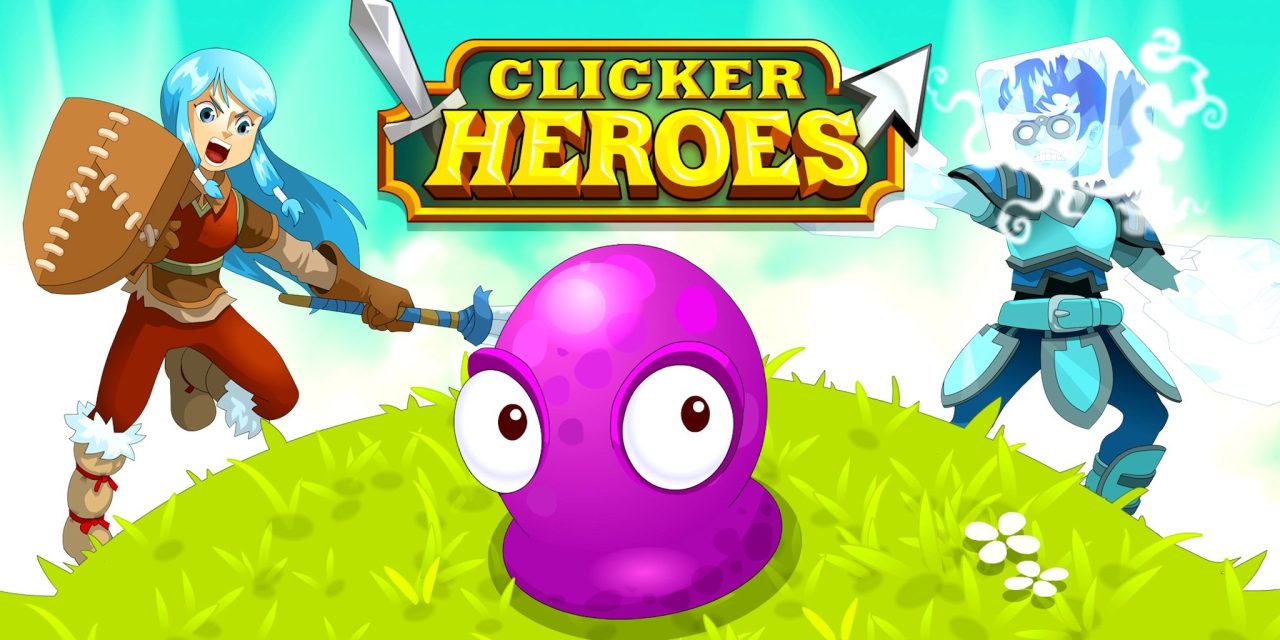
They put a lot of attention into long-term progression and prestige systems. Players reset their progress to earn permanent upgrades, then push further the next run. That loop helped define why these games can feel endless. Their best-known titles, including Clicker Heroes and the mining depth of Mr. Mine, show how good pacing keeps things satisfying instead of stale.
What really makes their games work is that choices stay important. Picking which hero to level, which ancient to unlock, and where to spend resources still feels like it matters. Even when the game runs in the background, the strategy is what keeps people checking in and pushing forward.
Why PC Players Stick With These Games
In 2026, Steam is still the top platform for incremental fans. It is stable, it runs well for long sessions, and it supports the kind of playtime these games demand. Steam Achievements add an extra reward when you hit ridiculous milestones, like reaching a duoquadragintillion of a resource. The Steam Deck also changed how people play idle games away from the desk. Having a handheld that can keep your run going while you are out grabbing coffee fits the genre perfectly.
Why Idle Games Are Still Here
Looking ahead, incremental games are in a good place, and they are leaning harder into automation. More developers are building hybrid games that combine idle progression with base-building, roguelike elements, and story-based content. Quality-of-life features are also better than ever, with more useful automation options built directly into menus.
The genre’s popularity in 2026 proves that not every game needs nonstop action to feel rewarding. Sometimes the best feeling comes from steady progress, clear goals, and the quiet satisfaction of watching your work grow one click at a time.





![[Rumor] Star Wars Jedi 3 announcement is imminent. It could be released in 2027](https://vgleaks.com/wp-content/uploads/2026/10/star-wars-jedi-survivor-150x150.jpg)

![[Rumor] Marvel’s Venom is still in development](https://vgleaks.com/wp-content/uploads/2026/09/venom-150x150.png)
![[Rumor] A real physical version of GTA 6 could be on the horizon and more real than it seems](https://vgleaks.com/wp-content/uploads/2026/08/leak-GTA-VI-150x150.jpg)
![[Rumor] A New Killzone Could Be in the Early Stages of Development](https://vgleaks.com/wp-content/uploads/2026/09/Killzone-j-150x150.jpg)