Game leaks used to be rare accidents. Now they’re almost a genre of their own. For the hardcore gaming community, a well-timed leak can generate more excitement than a polished marketing trailer. In many cases, it completely rewires what players expect from a title before a single official screenshot drops.
That change has made leaks one of the most influential forces in modern gaming culture. Publishers plan around them, communities organize because of them, and the hype cycles they trigger can last years. Understanding which leaks actually moved the needle helps explain why studios have started treating information security like a critical development tool.
Leaks That Hit Different
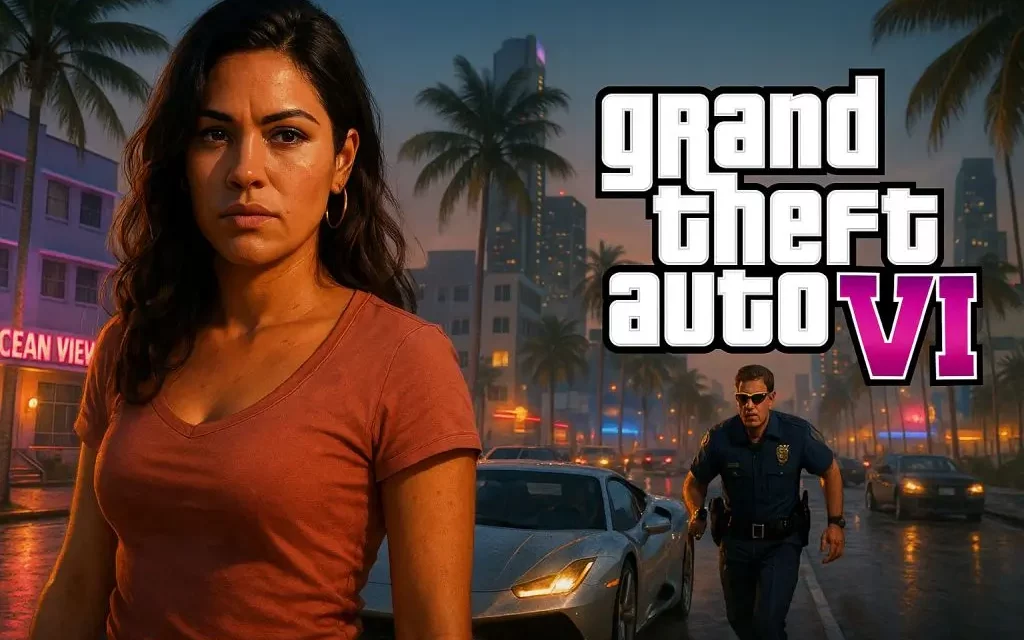
The GTA VI data breach is probably the defining leak of this era. In 2026, a hack exposed roughly 2.4 million Rockstar support-ticket records, surfacing bug reports, internal timelines, and operational details.
The leak inadvertently confirmed how profitable Rockstar’s online operations remained, information that landed differently in investor circles than in player ones. For the community, it was confirmation that the machine behind GTA VI was still running at full speed.
Some of the most discussed rumours tied to the leaks involved GTA VI’s alleged casino systems. Reports and community speculation suggested Rockstar could expand gambling mechanics far beyond what appeared in GTA Online’s Diamond Casino update. Rumours pointed toward casinos becoming integrated into property ownership, missions, and the wider in-game economy.
Discussions around recommended online casinos in Texas often focus on real-money blackjack, poker, roulette, and VIP reward systems. That is partly why players immediately drew comparisons between those platforms and the gambling features rumoured to be appearing in GTA VI.
The Call of Duty leak saga deserves its own mention. Activision spent years battling a prominent leaker before finally taking legal action in 2026. Even when specific weapon stats or map details turned out to be wrong.
Those early leaks had already shaped forum consensus about what each title “should” include. Players built expectations around leaked content, and sometimes got genuinely disappointed when reality didn’t match.
When Leaks Actually Change the Hype Cycle
Not every leak lands. Most rumors get buried under a wave of skepticism and forgotten within days. The ones that stick share a few traits: they come from verifiable sources, they align with believable internal logic, and they reveal something players genuinely wanted to know.
The Rockstar situation showed this perfectly. Reports surrounding the GTA VI breach included internal analytics, engagement metrics, and operational data tied to Rockstar’s online ecosystem.
Some leaks even revealed how heavily the company tracked player behavior and monetisation patterns across GTA Online. That mattered because it reinforced long-running community theories about how central live-service systems and in-game economies would become in GTA VI.
Ratings board submissions have become one of the most reliable leak vectors because they’re official documents. An Indonesian ratings board accidentally exposed major story content for several upcoming titles in early 2026, including plot beats for 007: Last Light. The community response was immediate and polarizing.
Players scrambled to avoid spoilers while forums exploded with discussion about what the leaks revealed. That kind of reaction doesn’t happen with vague rumors.
How Gamers Fill the Wait Between Drops
The waiting periods between leaks and launches are getting longer, and players have noticed. Roughly 42% of PC playtime in 2025 was spent on games outside the top 20, up from 33% in 2023. That’s a significant shift, suggesting players are actively seeking alternatives rather than sitting idle during hype droughts.
Streaming, mobile titles, and social gaming have all picked up the slack. The community doesn’t pause between leaks; it redirects.
What Studios Actually Learned From Each
The clearest lesson from the last few years is that leaks change the negotiation between studios and their audiences. When players already “know” what a game contains, even if that knowledge is partially wrong, official reveals have to work harder to recapture surprise.
In 2026, Activision explicitly stated that leaks “hurt the people building the game and mess with player expectations,” framing information security as both a legal and a morale issue. That framing is becoming industry-standard.
Studios aren’t just protecting marketing windows anymore; they’re protecting the emotional experience of the reveal itself. Leaks have made that experience harder to control.
The studios that adapt fastest will be the ones that figure out how to make official announcements feel as exciting as the leaks that preceded them.





![[Rumor] Wonders of O trademarked. A sequel to ‘Lies of P’ set in the world of Oz?](https://vgleaks.com/wp-content/uploads/2026/09/lies-of-p-150x150.jpg)

![[Rumor] Is the StarCraft Shooter Real? Leaks, Details, and Blizzard’s Mystery ARG](https://vgleaks.com/wp-content/uploads/2026/09/StarCraft-Shooter-Will-Reportedly-Be-Revealed-at-BlizzCon-150x150.jpg)