For years, the grind was the game. Log in daily, complete repetitive tasks, earn incremental rewards, repeat. It was a formula that kept players hooked, but also burned many of them out. Something has changed recently, and it’s showing up in the charts, the reviews, and in how players are talking about their time.
The conversation isn’t simply about which games are good. It’s about what players actually want from their hours. And increasingly, the answer seems to be: a story worth following.
Why Endless Progress Loops Lost Its Appeal for Gamers
Player fatigue is real and measurable. In 2025, total time spent on console and PC games dropped 1% year-on-year, even as revenue grew and the installed base expanded. That suggests players aren’t abandoning gaming; they’re becoming more selective about where their hours go.
Part of what’s driving selectivity is age. The average U.S. player is now 36, a demographic that tends to prioritize mental engagement and emotional payoff over performance-based loops. When free time is limited, grinding through seasonal battle passes starts feeling less like fun and more like a second job.
Story-Driven Titles Dominating PC Charts Now
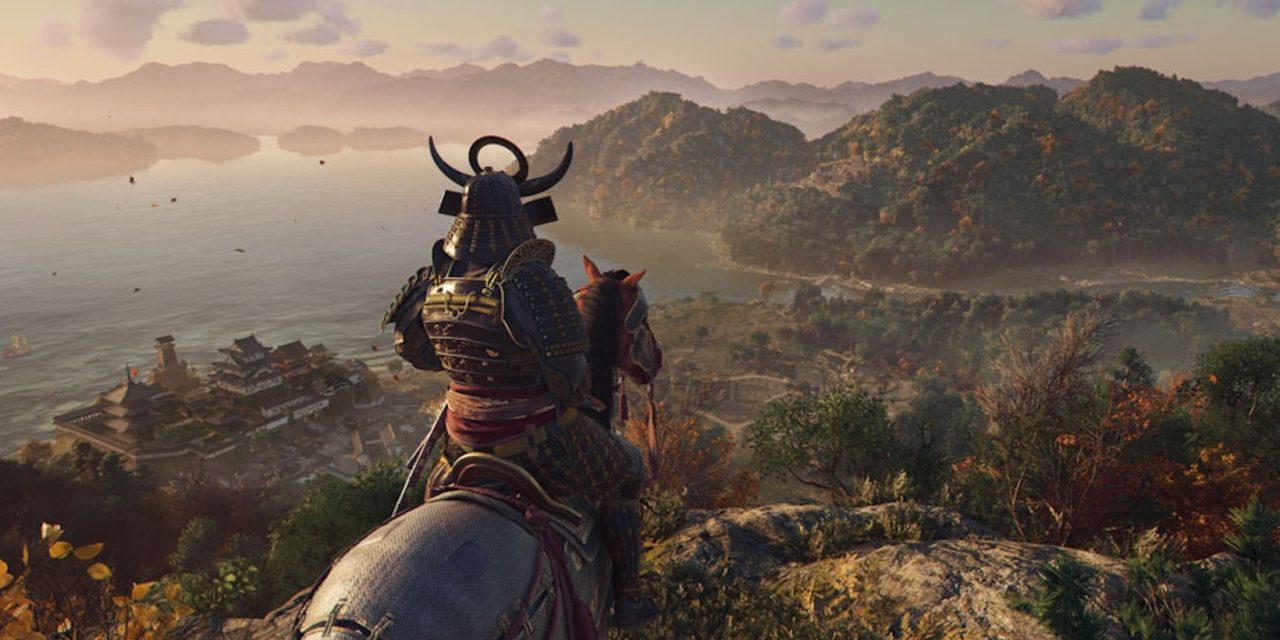
The shift is visible. RPGs outpaced the overall PC game market’s CAGR of 6.11% through 2024–2025. Growth was fueled by what a PC market analysis described as “blockbuster narrative releases.” These are premium-priced, story-driven titles that keep players engaged for months without relying on daily login requirements.
Think of online slots for real money or other chance-based formats. Unlike games built around endless progression systems, many slot formats are designed around shorter sessions and quicker rounds with immediate outcomes.
Players know the result within seconds, which creates a more contained experience instead of a long-term gameplay loop that demands constant repetition. That preference for faster, self-contained entertainment is now influencing multiple areas of digital gaming and online media.
When Chance-Based Play Scratches the Itch
Not every gamer craving less grind switches to epic RPGs. Some rotate toward shorter, session-based formats where a single sitting delivers a complete experience. This is partly why games with strong individual-session hooks, including puzzle titles, roguelikes, and strategy games, continue drawing solid audiences alongside narrative-heavy releases.
According to platform share data, PC accounted for 48% of all gaming time in 2025, more than PlayStation and Xbox combined. That dominance reflects how broadly the PC tent stretches, from sprawling single-player narratives to tighter, more casual formats that fit an hour-long window.
What Developers Are Building Next for Players
The industry is responding. Titles like Clair Obscur: Expedition 33 and Metaphor: ReFantazio have been highlighted by critics for writing quality and emotional depth, positioning narrative design as a genuine selling point rather than a secondary feature. Story-driven experiences are increasingly being marketed as a premium alternative to grind-heavy open worlds.
Developers aren’t abandoning live-service models entirely. The revenue is too reliable. But many studios are now building narrative arcs into seasonal content, or launching compact story expansions alongside traditional progression systems.
The option of endless loops isn’t dead, but it’s no longer the only viable architecture for keeping players engaged. For a generation of PC gamers who simply want to be moved by what they play, that’s a meaningful change.






![[Rumor] Star Wars Jedi 3 announcement is imminent. It could be released in 2027](https://vgleaks.com/wp-content/uploads/2026/10/star-wars-jedi-survivor-150x150.jpg)

![[Rumor] Marvel’s Venom is still in development](https://vgleaks.com/wp-content/uploads/2026/09/venom-150x150.png)
![[Rumor] A real physical version of GTA 6 could be on the horizon and more real than it seems](https://vgleaks.com/wp-content/uploads/2026/08/leak-GTA-VI-150x150.jpg)
![[Rumor] A New Killzone Could Be in the Early Stages of Development](https://vgleaks.com/wp-content/uploads/2026/09/Killzone-j-150x150.jpg)