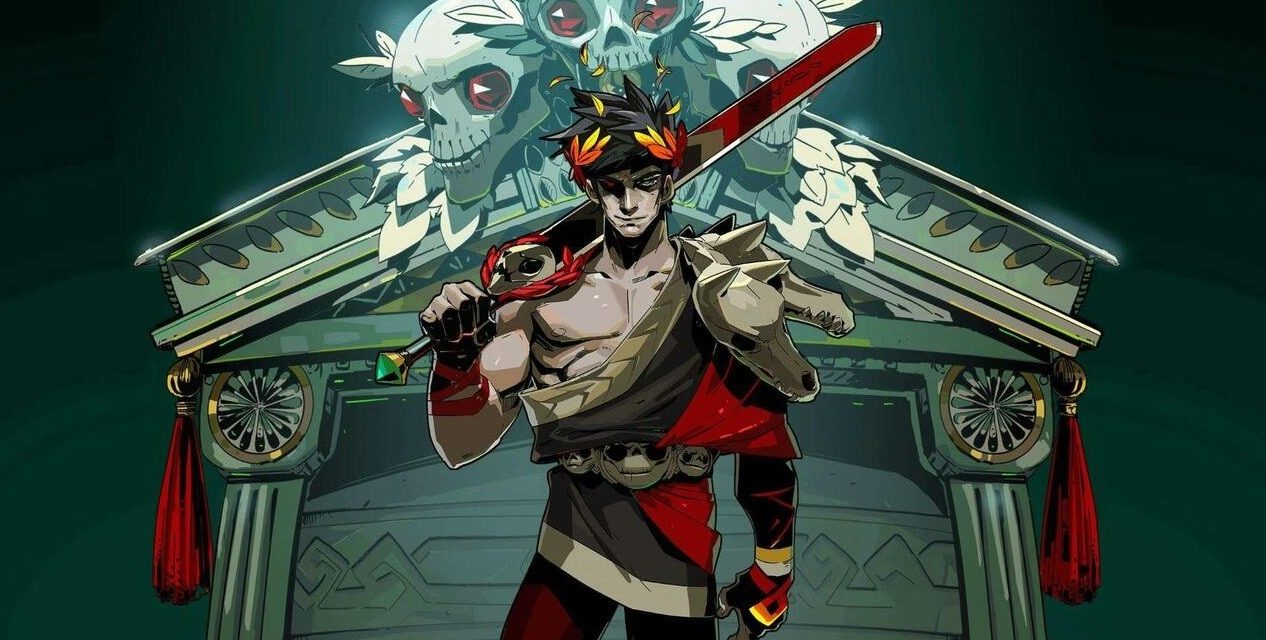
Roguelike and roguelite games have quietly become one of the most psychologically engaging genres in modern gaming. Titles like Hades, The Binding of Isaac, Dead Cells, and Risk of Rain 2 are built around repetition, randomness, and constant progression loops that keep players coming back for “just one more run.”
What makes these games so hard to put down is not simply difficulty or gameplay quality. Much of their appeal comes from how they interact with dopamine and the brain’s reward system.
Random Rewards Trigger Stronger Dopamine Responses
One of the biggest psychological hooks in roguelikes is unpredictability. Every run offers different weapons, upgrades, enemies, and item combinations. According to research around behavioral psychology and reward systems, unpredictable rewards activate dopamine pathways more intensely than predictable rewards because the brain remains in a constant state of anticipation.
That uncertainty is a major reason why players stay engaged for hours. A single run might suddenly produce an overpowered build players have never seen before, creating a powerful reward spike tied directly to randomness.
“One More Run” Is Built Into the Genre
Unlike traditional RPGs where losing can feel punishing, roguelikes turn failure into progression. Games like Hades reward players even after death through permanent upgrades, story progression, or new unlocks.
This creates what psychologists often call an intermittent reinforcement loop — a system where rewards appear inconsistently instead of on a fixed schedule. Studies have shown intermittent reinforcement can produce extremely high engagement because the brain keeps chasing future rewards.
The result is a gameplay loop where losing rarely feels like a total reset.
Near Misses Keep Players Hooked
Another major factor is near-miss psychology. In roguelikes, players often lose after assembling a powerful build or surviving deep into a difficult run. Instead of discouraging players, these close losses frequently increase motivation to retry immediately.
Researchers studying reward systems have found that near misses can activate many of the same brain regions associated with actual wins.
This is one reason games like The Binding of Isaac and Slay the Spire create such intense “retry immediately” behavior after failure.
Roguelikes Constantly Stimulate the Brain
Modern roguelites are filled with flashing visuals, layered progression systems, fast reward sounds, unlock notifications, and escalating power curves. Every few minutes, the player is receiving new feedback from the game.
Games like Risk of Rain 2 intentionally snowball player strength during longer runs, creating increasingly chaotic combat and repeated dopamine spikes as builds become more overpowered.
This constant stimulation shares similarities with systems used throughout modern digital entertainment and mobile gaming.
Streaming Made Roguelikes Even More Popular
The rise of Twitch and YouTube also helped the genre explode in popularity. Roguelikes naturally create suspense because viewers never know what upgrades, enemies, or combinations will appear next.
Watching a streamer discover a rare item combination in Balatro or survive a nearly impossible run in Dead Cells produces anticipation for audiences in real time.
The randomness makes every session feel unique, which works extremely well for streaming content.
Roguelikes and Online Slots Share Similar Reward Structures
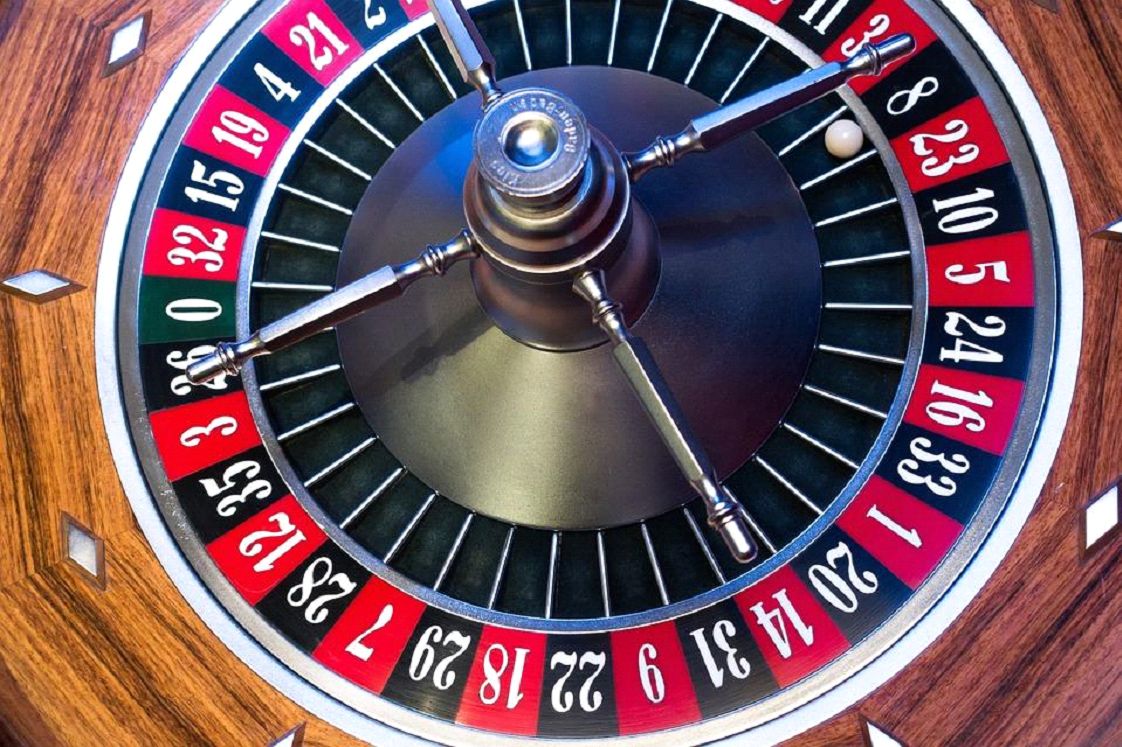
Some gaming analysts have also pointed out similarities between roguelike progression systems and modern iGaming mechanics. For example, the “Money Cart Bonus” feature in Wanted Dead or a Wild builds escalating tension through random multipliers and unpredictable outcomes in a way that resembles high-risk roguelike runs where players continuously chase stronger combinations.
Both systems rely heavily on anticipation, unpredictability, and variable rewards to maintain engagement.
Why the Genre Continues to Grow
Roguelikes combine three powerful psychological drivers at the same time: randomness, progression, and mastery. Players constantly improve mechanically while still experiencing unpredictable outcomes every session.
That balance is difficult for other genres to replicate.
The result is a genre that feels endlessly replayable even when players repeatedly fail. Instead of frustration pushing people away, the structure of roguelikes often turns failure itself into part of the reward system.




![[Rumor] Horizon: Hunter Gathering Rebooted After Poor Feedback, Horizon 3 Development Stalled and Years Away](https://vgleaks.com/wp-content/uploads/2026/08/horizon-i-150x150.jpg)