Skin packs for Fortnite continue to be one of the biggest motivators for gamers in 2026, although the vast collection of virtual clothes available to players now would bear no resemblance to where the game began. Since it was born from a spin-off survival game featuring some characters copied from somewhere else, a lot has been happening since then.
If you use the Fortnite Item Shop tracker to monitor your preferred items, search the rarity on the rare Fortnite skins database or look for the most secure ways to buy V-Bucks, you’ll appreciate knowing about the evolution of Fortnite cosmetics.
Phase 1 (2017–2018): The Dawn of the “Defaults” and Early Brackets
Fortnite Battle Royale was introduced in late 2017 without any character customization. Users were thrown into the battle arena using random “Default” characters that are called “Jonesy,” “Ramirez,” and “Spitfire” by the community now.
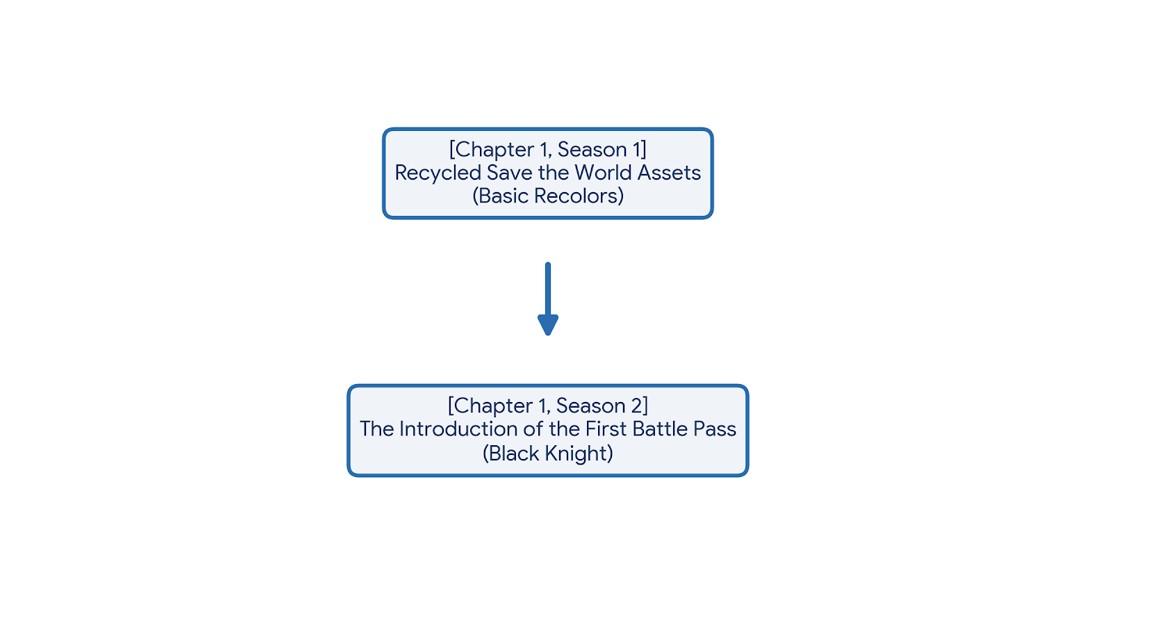
With the growing popularity of Fortnite and realization of how important it is for users to look unique in-game, Epic Games introduced their first premium skins. The initial skins in the marketplace were uninspiring recolors of default characters. However, the true turning point arrived with the Chapter 1, Season 2 Battle Pass. This introduced a structured progression system and birthed the game’s earliest tier-100 crown jewel: The Black Knight.
During this era, rarity was defined by participation. Skins like Renegade Raider and Purple Glow Skull Trooper became legendary not because of intricate designs, but because you had to be there at the absolute beginning to acquire them.
Phase 2 (2018–2020): Narrative Outfits and Competitive “Sweat” Meta
As the game’s map began to change via seasonal live events, Epic Games started embedding its narrative directly into its cosmetics. Outfits like The Visitor, Drift, and Midas weren’t just items in a shop; they were active lore catalysts moving the story forward.
Simultaneously, a distinct competitive subculture emerged that completely transformed how the community valued new Fortnite skins.
The Rise of the “Sweat” Skin
Instead of bulky, heavily armored Legendary skins, top-tier tournament players began favoring clean, minimalist designs. This preference birthed the “sweat” skin meta, characterized by a few defining traits:
● Slim Profiles: Models like Aura, Siren, and Focus became dominant because they minimized screen obstruction.
● Myths about Hitboxes: Although all the Fortnite accessories come with an identical competitive hitbox, it is a known fact that thinner skins have better agility, causing gamers to purchase Fortnite skins with sleeker builds.
● Overkill in Customization: After the release of the Superhero Set (Boundless Collection), gamers were free to take away all unnecessary details, preferring one solid color designs.
Phase 3 (2020–2024): The Crossover Explosion and the Icon Series
By Chapter 2, Fortnite transitioned from a video game into Hollywood’s favorite interactive billboard. The introduction of the Icon Series codified this shift, immortalizing real-world musicians, athletes, and internet creators directly within the game. Historically significant Icon Series examples include Travis Scott, whose cosmetic set remains one of Fortnite’s most requested vaulted collaborations.
| Cosmetic Series Tier | Core Philosophy | Prime Examples |
| Icon Series | Real-world cultural figures, streamers, and musicians. | Travis Scott, LeBron James, Ninja, Eminem |
| Gaming Legends | Iconic protagonists from rival gaming franchises. | Master Chief, Kratos, Psycho Bandit, Lara Croft |
| Marvel / DC Series | Comic book blockbusters integrated into seasonal lore. | Iron Man, Spider-Gwen, Batman, Deadpool |
In this stage, Epic Games showcased their capabilities of turning any form of art into an engine. The mechanics of cel-shaded animations were improved, thus making it possible to create franchises such as Dragon Ball and Attack on Titan. This laid the foundation for the sophisticated rendering systems used to leak Fortnite skins.
Phase 4 (2025–2026): The Modern Ecosystem and Metaverse Integration
In 2026, a Fortnite skin is no longer just an outfit for a battle royale match. With the permanent integration of ecosystem modes like LEGO Fortnite, Rocket Racing, and Fortnite Festival, buying premium Icon Series skins is an investment across an entire interconnected ecosystem.
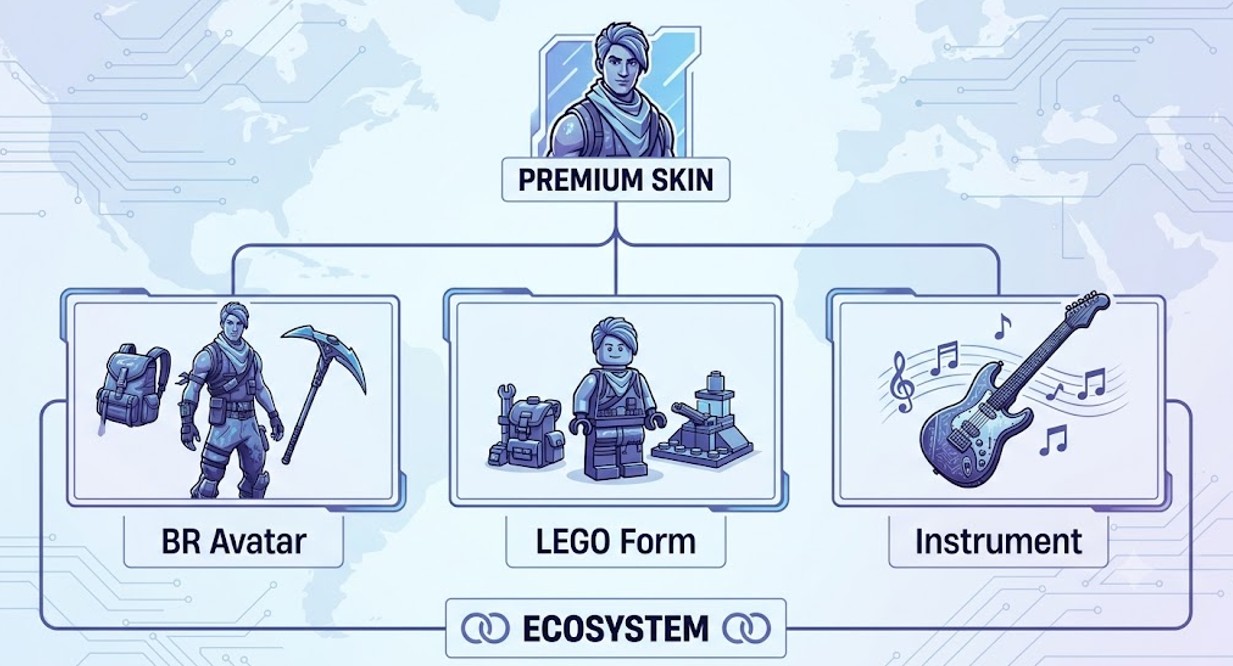
Today’s releases are treated as multi-platform bundles. When you purchase a modern outfit, it automatically generates a custom LEGO Style variant, cross-compatible digital instruments for the main stage, or reactive styles that shift dynamically based on your in-game performance.
Furthermore, Item Shop trends now favor highly complex, interactive options. Edit styles are no longer just basic palette swaps; they allow you to completely re-engineer your character’s clothing geometry, particle physics, and built-in traversal emotes mid-match.
How to Navigate the Modern Marketplace Safely
With hundreds of legacy skins locked away in the vault and new waves dropping with every major patch, navigating the economy safely is paramount.
The premier, zero-risk method to buy Fortnite skins is directly through the in-game application using Fortnite V-Bucks. If you are utilizing third-party digital marketplaces like skinzy.gg to find competitive pricing on V-Bucks bundles or promotional gift cards, always protect your digital identity:
● Code-Only Redemptions: Purchase only products that come with digital codes that you have to enter yourself on the authorized site at https://www.fortnite.com/redeem.
● Guard Your Password: Do not share your Epic Games login information or two-factor authentication codes with anyone else offering skin transfers or “glitches”.
● Avoid Account Trading: Buying pre-levelled accounts that will give you legacy rare skins such as the Black Knight is against the terms of service. Such accounts are automatically detected and banned.
Frequently Asked Questions (FAQs)
● Can older Battle Pass skins ever return to the Item Shop?
Traditionally, rewards from older passes, which range from Chapter 1 Season 1 to Chapter 5 Season 3, have been solely exclusive to those particular seasons. But in accordance with Epic Games’ new exclusivity policy, items in Chapter 5 Season 4 and beyond could eventually find their way into the Item Shop after 18 months from when the Battle Pass expired.
● What makes leaked Fortnite skins so reliable?
Dataminers pull unreleased cosmetic data directly from public staging builds. While untextured placeholders mean a skin is months away, fully textured assets mean a live launch is imminent.
● What is the return probability of licensed crossover skins?
Licensed outfits rely entirely on active contract agreements between Epic Games and the intellectual property owners. While some cycle back frequently, others can remain vaulted for years depending on licensing terms.





![[Rumor] Star Wars Jedi 3 announcement is imminent. It could be released in 2027](https://vgleaks.com/wp-content/uploads/2026/10/star-wars-jedi-survivor-150x150.jpg)
![[Rumor] Marvel’s Venom is still in development](https://vgleaks.com/wp-content/uploads/2026/09/venom-150x150.png)
![[Rumor] A real physical version of GTA 6 could be on the horizon and more real than it seems](https://vgleaks.com/wp-content/uploads/2026/08/leak-GTA-VI-150x150.jpg)