
Live service games are everywhere now. Whether you spend your evenings in GTA Online, Counter-Strike 2, Genshin Impact, or Fortnite, you’ve probably noticed that modern games are built very differently from the titles we played ten years ago.
Developers no longer release a game and move on. Instead, they support these worlds for years with seasonal updates, events, cosmetics, and new content. Keeping players engaged for that long is difficult, and studios have experimented with many ways to make their games feel exciting every time players log in.
One of the most interesting trends has been the rise of chance-based reward systems.
Why Random Rewards Feel So Satisfying
There is a reason players still get excited when opening a rare loot box, unlocking a valuable skin, or spinning a reward wheel during a seasonal event.
Random rewards create anticipation. You never know exactly what you’ll get, and that uncertainty adds excitement to even small activities. It is a concept that game developers have been refining for decades.
Some of the earliest examples appeared in RPGs, where players repeatedly defeated bosses hoping for a rare weapon drop. Today, the same principle can be found in many genres, from shooters to sports games and open-world adventures.
The goal is not simply to hand out rewards. The goal is to make every session feel like it could lead to something memorable.
GTA Online’s Diamond Casino Is More Than A Casino
One of the best examples of this philosophy can be found in GTA Online.
When Rockstar introduced the Diamond Casino & Resort, many players expected it to be little more than a side activity. Instead, it became one of the most visited locations in Los Santos.
The reason wasn’t necessarily gambling itself. The attraction was the reward loop.
Players could visit every day to spin the Lucky Wheel, earn exclusive vehicles, collect cosmetic items, and participate in activities that felt connected to the larger game world. The casino became another reason to log in regularly, alongside heists, missions, and business management.
Most importantly, Rockstar integrated the feature into GTA’s unique sense of humor and over-the-top world design. Winning felt great, but even losing often became part of the entertainment.
Counter-Strike 2 And The Skin Economy
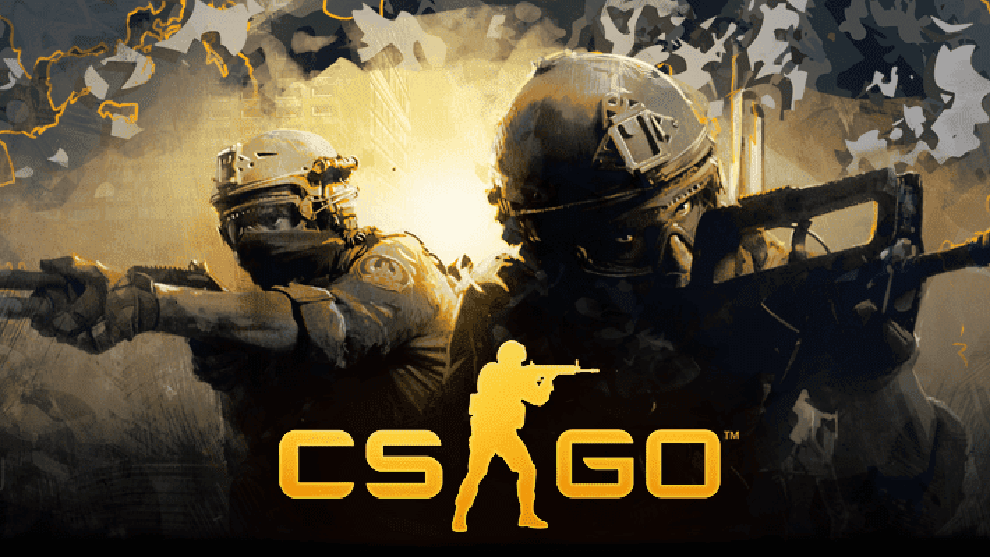
Few games demonstrate the power of randomized rewards better than Counter-Strike 2.
For years, players have chased rare weapon skins through cases and collections. While the competitive gameplay remains the main attraction, cosmetic rewards have created an entire secondary economy around the game.
Opening a case is a simple action, but the possibility of receiving a rare item keeps many players interested long after they have mastered the gameplay itself.
The system has become so influential that many live service developers now study similar engagement models when designing their own games.
Why Developers Keep Using These Systems
The reality is that modern games are expensive.
Large online worlds require constant updates, server maintenance, community support, and ongoing development. Developers need ways to keep players engaged between major content releases.
Chance-based systems help solve that problem.
Daily rewards, randomized cosmetic drops, event prizes, and progression systems give players reasons to return regularly. When balanced correctly, these features complement gameplay rather than replace it.
The most successful games understand that the reward should support the experience, not become the entire experience.
The Technology Behind Modern Reward Systems
As developers experiment with new engagement features, many rely on specialized platforms and service providers to manage complex reward systems and integrations.
For example, a casino game aggregator allows operators and developers to access large libraries of games and backend tools through a single platform. While these solutions originate in the online gaming sector, they demonstrate how modern entertainment increasingly relies on shared technology infrastructure to deliver content efficiently and at scale.
For game studios facing rising development costs, third-party solutions often make it easier to focus on creating engaging experiences rather than building every system from scratch.
The Future Of Live Service Games
Random rewards are unlikely to disappear anytime soon.
Players enjoy the excitement they create, and developers appreciate the way they encourage long-term engagement. The challenge will be finding the right balance between rewarding players and preserving fair progression.
The best live service games already understand this balance. They combine strong gameplay, meaningful progression, and occasional moments of surprise that keep players coming back for one more match, one more mission, or one more login.
As the industry continues to evolve, chance-based mechanics will remain an important part of how developers design long-lasting online experiences. The games may change, but the excitement of wondering what reward is waiting around the corner remains just as powerful as ever.






![[Rumor] Horizon: Hunter Gathering Rebooted After Poor Feedback, Horizon 3 Development Stalled and Years Away](https://vgleaks.com/wp-content/uploads/2026/08/horizon-i-150x150.jpg)