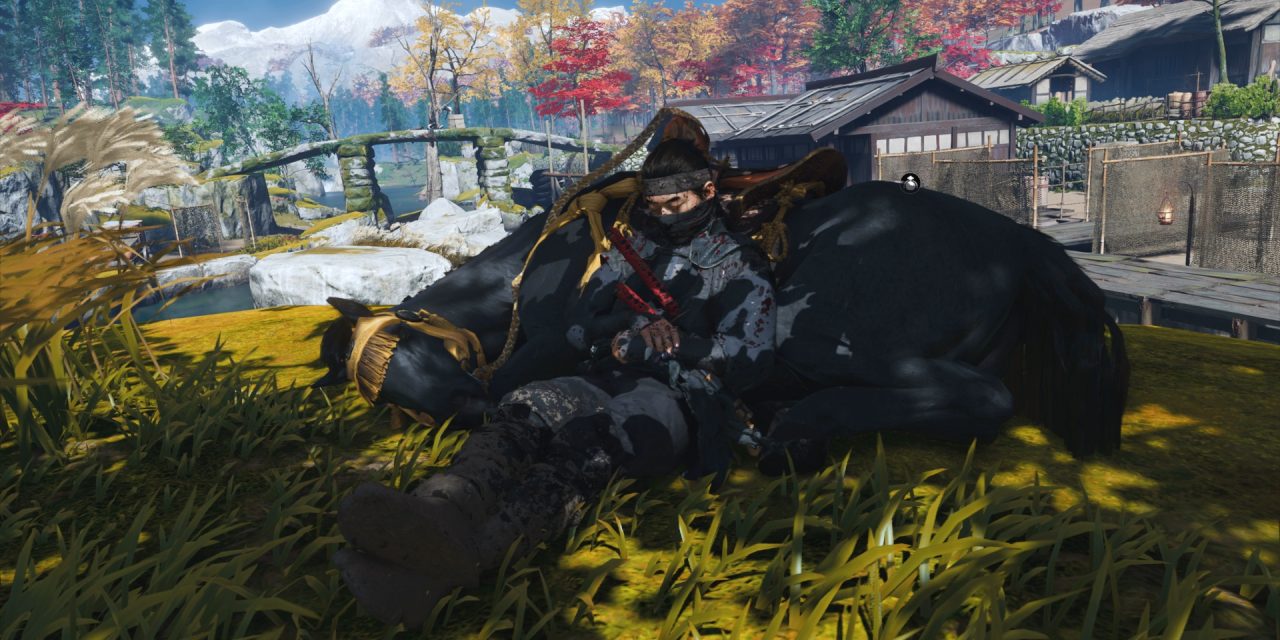
Open-world games give players a lot of freedom. They can go where they want and do things in their own order. But that can be hard to design well. If the world is too open, players may feel lost. If the game gives too much help, exploration feels less fun. Good open-world design finds a balance between the two.
Lighting Tells Players What Matters
Light is one of the quietest tools in game design. It does not need words. It just needs placement.
A warm light in the distance can make a location feel safe, important, or active. A torch near a doorway makes the doorway easier to notice. Sunlight falling on a ruin can make that ruin feel special. In darker games, even a small glow can become a strong signal.
Players may not think, “The designers want me to look here.” They simply look there. That is the beauty of subtle guidance. It feels natural. Light becomes a soft hand on the shoulder instead of a voice giving orders.
Height Helps Players Read the World
Open-world games often use height in clever ways. A hill, tower, rooftop, or mountain path can do more than look impressive. It can give players information. They spot roads, buildings, smoke, rivers, and movement. The game does not need to explain every option because the world starts explaining itself. Players at https://www.betamo.com make plans based on what they can see.
This is one reason high viewpoints feel so satisfying. They reward exploration, but they also teach the layout of the world. After one climb, the player may already know where they want to go next.
The World Uses Contrast to Pull Attention
Contrast is simple, but very effective.
If most of the area is quiet and green, a red flag may stand out. If the world is full of ruins and stone, one moving windmill may catch the eye. If a village is built in soft colors, a dark cave entrance nearby may feel important. Players notice the difference quickly.
Designers use this all the time. They know the eye goes toward what breaks the pattern. A single strange thing in a familiar space becomes magnetic. That does not force exploration, but it strongly encourages it.
Movement Attracts Players Too
Still objects can guide, but moving ones often guide better.
A flock of birds rising from the trees, cloth blowing in the wind, distant smoke, falling water, or a creature running across a ridge can all pull attention. Movement feels alive. Players are naturally drawn to it because it suggests that something is happening.
This works especially well in big maps. A large world can sometimes feel too still. Small moving details fix that. They make the world feel active and also help point players toward areas worth checking.
Sound Can Lead Without a Marker
Not every guide is visual.
Sound is another subtle tool. A player may hear rushing water and start looking for a river or waterfall. They may hear battle in the distance, a strange machine, music from a town, or an animal call they have not heard before. These sounds create direction without showing a giant symbol on the screen.
That kind of guidance feels very human. In real life, people often turn toward a sound before they see the source. Open-world games can use the same instinct. A sound can tell the player, “There is something over there,” without making the game feel bossy.
Reward Placement Teaches the Player
Players learn from what games reward.
If hidden paths often lead to treasure, players start checking hidden paths. If hilltops usually contain something useful, players begin climbing more often. If strange buildings tend to contain stories, gear, or quests, players become more willing to investigate them.
This is one of the smartest forms of guidance because it works over time. The game trains the player gently. It builds habits through reward. Soon, the player is guiding themselves based on what the world has taught them.
Good Guidance Feels Invisible
The best part of this design is that many players barely notice it.
They feel smart. They feel observant. They feel like explorers. That is not an accident. The game created those feelings by guiding them with landmarks, paths, light, sound, contrast, height, and reward patterns. But because the guidance was soft, the freedom still felt real.
That is the balance great open-world games chase. They do not leave the player totally alone, and they do not drag the player around either. They create a world that quietly says, “Look over here,” while still letting the player believe the choice was fully their own.




![[Rumor] Marvel’s Venom is still in development](https://vgleaks.com/wp-content/uploads/2026/09/venom-150x150.png)
![[Rumor] A real physical version of GTA 6 could be on the horizon and more real than it seems](https://vgleaks.com/wp-content/uploads/2026/08/leak-GTA-VI-150x150.jpg)
![[Rumor] A New Killzone Could Be in the Early Stages of Development](https://vgleaks.com/wp-content/uploads/2026/09/Killzone-j-150x150.jpg)
![[Rumor] Game Pass could lose day-one games, change prices and introduce new plans](https://vgleaks.com/wp-content/uploads/2026/09/xbox-game-pass-150x150.jpg)