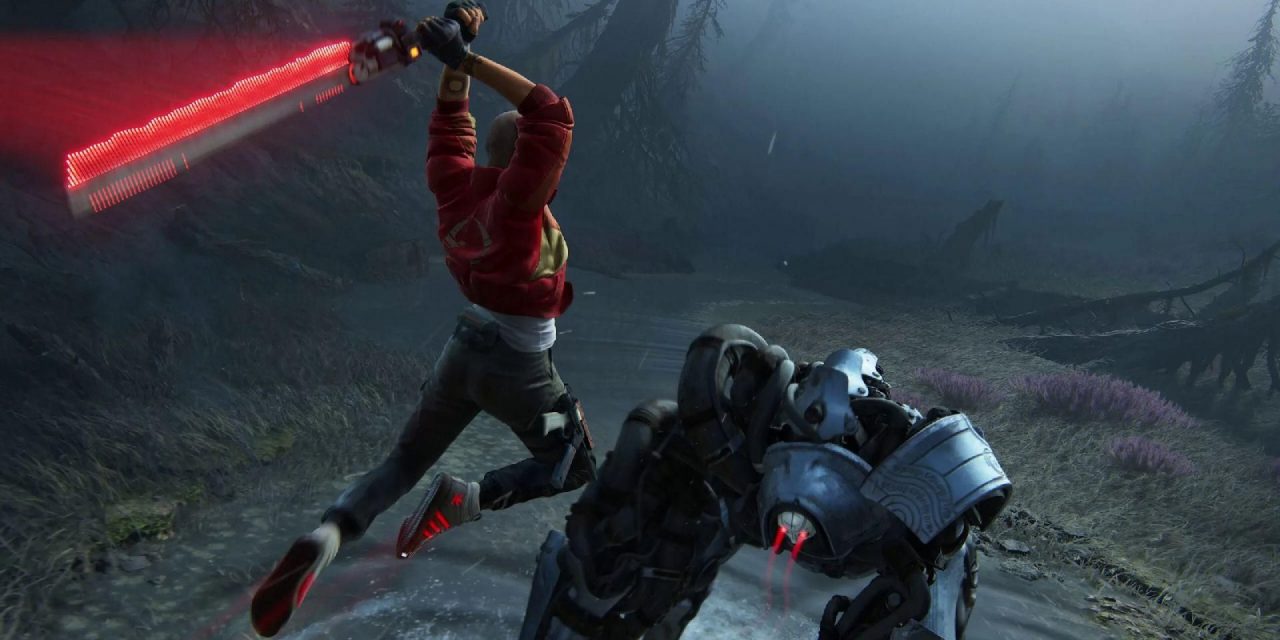
Mainstream video games rarely explode overnight anymore; they gather pressure through months of online chatter. Long before launch, stray search trails like NuxGame igaming platform can sit beside rumor threads and wishlist debates. That constant noise shapes expectations before players touch a controller or install a day-one patch. By release week, the verdict often feels half-written, and that changes how blockbusters land.
Why Mainstream Video Games Start Winning Before Release Day
Players no longer meet major releases for the first time on store shelves. They meet them through teaser frames, menu leaks, casting whispers, and clipped footage. Each fragment invites prediction, and prediction creates ownership. Once people feel ownership, they defend their theory like it is already canon.
That pattern helps explain why mainstream video games carry such strange emotional baggage now. A trailer is now proof rather than just a trailer. A week of side-by-side comparisons can begin with a single fuzzy screenshot. Three possible outcomes have already been written by the community before a narrative ever starts.
Studios know this, and they rarely fight the cycle for long. Controlled reveals, vague comments, and carefully timed silence all stretch anticipation. Players complain, sure, but they keep clicking. The waiting room has become part of the entertainment, and that room is always crowded.
Leaks Reward Familiar Worlds More Than Fresh Ideas
Big franchises thrive in rumor culture because familiarity lowers the cost of speculation. Fans already know the map, the hero, or the combat loop. That shared language makes every hint feel richer than it really is. A tiny clue becomes meaningful when millions already understand the shorthand.
New projects face a harder road, even when their ideas look sharper. Without built-in trust, every unknown feels like a risk. Players pose more difficult questions, and reluctance quickly spreads. Sequels, on the other hand, promote comfort, and comfort spreads swiftly through group chats, forums, and videos.
That is why mainstream video games often look safest when budgets look largest. Publishers do not only buy spectacle; they buy recognition. When a logo, soundtrack, or character lands instantly, the internet does half the marketing alone. The loudest hype usually surrounds titles people can explain in a sentence.
Release-Day Reality Hits Harder In The Update Era
Here’s the twist: hype no longer ends when a game finally arrives. Launch week now begins a second trial, one driven by patches, balance changes, and server stability. Players judge the opening build, then judge the repair speed. A shaky first impression can still recover, but only if updates feel honest.
That shift has made mainstream video games feel more temporary and more public. Nothing stays private for long, and rough edges travel instantly. Anyone who follows modern feeds knows strange phrases can surface beside sequel talk, including what are sweepstakes casinos. Search spillover is real, and attention rarely stays in one lane.
Still, players are not impossible to please. Most people forgive bugs, delays, and missing features when the core promise feels clear. They want momentum, not perfection. If the world feels alive and the controls feel right, patience usually lasts longer than publishers expect.
- A strong first hour teaches systems without drowning players in stiff tutorials.
- Movement, combat, or exploration must stay readable when pressure suddenly spikes.
- Updates should solve real frustrations instead of polishing patch-note language.
- Rewards should respect player time instead of begging for daily check-ins.
Notice what is missing from that list: bigger maps and louder marketing beats. Scale alone no longer seals the deal. Players stay when design choices feel purposeful, not swollen. When every system pushes toward the same fantasy, even familiar formulas feel fresh again.
What The Next Wave Of Mainstream Video Games Must Get Right
The next breakout hit will probably not reinvent everything, and that is fine. It only needs sharper judgment about where friction belongs. Good tension keeps players alert, while bad friction wastes time. The difference seems small on paper, yet everyone feels it within minutes.
The smartest releases also respect how people actually talk about games now. Fans compare clips, swap theories, and notice tiny inconsistencies immediately. That means tone matters almost as much as mechanics. If a world promises grit, charm, or chaos, every system should echo that promise.
Put otherwise, limitless features are not necessary for mainstream video games to feel enormous. They require assurance, clarity, and an excuse to come back tomorrow. Provide gamers with a universe worth talking about, a stable launch, and an unforgettable loop. They will build the rest of the momentum themselves.
Conclusion
Rumors, leaks, and launch-week reactions are no longer side shows around major releases. They are part of the release itself. Because of this, popular video games either succeed or fail before the credits have rolled. The greatest winners are aware of one basic fact: while anticipation is important, delivery ultimately determines the outcome.




![[Rumor] Star Wars Jedi 3 announcement is imminent. It could be released in 2027](https://vgleaks.com/wp-content/uploads/2026/10/star-wars-jedi-survivor-150x150.jpg)

![[Rumor] Marvel’s Venom is still in development](https://vgleaks.com/wp-content/uploads/2026/09/venom-150x150.png)
![[Rumor] A real physical version of GTA 6 could be on the horizon and more real than it seems](https://vgleaks.com/wp-content/uploads/2026/08/leak-GTA-VI-150x150.jpg)