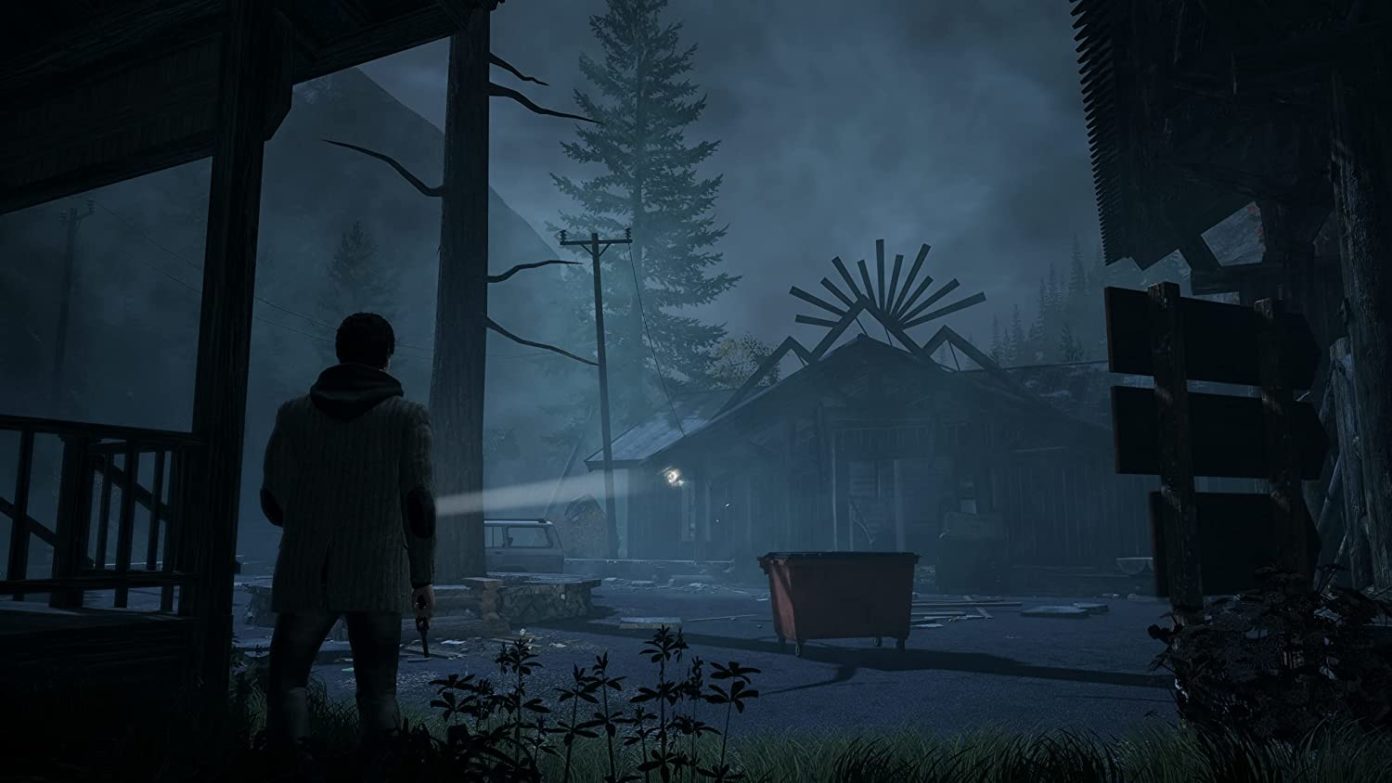
You are crouched in a pine thicket. Your digital heart is pounding in your ears, as it’s not the visuals that have you frozen… It’s the sound. A twig snaps to your left. Was that your footstep, or something else? A low, wet gurgle echoes from the mist-shrouded valley below. You can’t see the source, but your mind is already painting a horrifying picture.
This isn’t just playing a game; it’s an auditory survival test. Welcome to the era of hyper-realistic game audio, where the sound design is so advanced it’s imposing a new kind of toll on players. We call it the “Immersion Tax,” and it’s fundamentally changing how we feel, think, and even react while playing survival horror and tactical sims like Sons of the Forest or Escape from Tarkov.
For decades, game audio served clear, simple purposes. A musical cue signaled danger. A loud roar meant the monster was right behind you. It was a soundtrack to the action. Today, it is the action. Modern survival games employ complex audio engines that simulate how sound travels, echoes, and is muffled by different materials.
Every footstep has weight and texture. The crunching on gravel, squelching in mud, or snapping a dry branch. This creates a beautiful and psychologically demanding layer of realism, the same way that slotsgem games developers employ complex layers of ambience when designing visuals and music for their loyal and passionate fans.
The Psychological Toll of the Tax
This is where the “Immersion Tax” is paid. It’s not just in-game currency. It’s a real psychological levy.
The Physical Response: More Than Just Jump Scares The body doesn’t know it’s playing a game. When a 3D audio cue of a mutant sprinting directly at you from the rear-left channel hits, your fight-or-flight response activates. Muscles tense. The heart races. This is a physiological event, as players report feeling genuinely fatigued after sessions, not from physical exertion, but from the sustained low-grade stress and sensory overload.
The Behavioral Shift: A New Cautiousness Hyper-realistic audio fundamentally changes player behavior. In older games, you might run headlong into a dark cave. Now, you stop at the entrance and listen. You move deliberately, choosing soft grass over noisy gravel even if it’s a longer route. In multiplayer games like Tarkov, communication becomes hushed and essential. The audio forces a pace that mimics real survival: slow, methodical, and deeply cautious. It creates incredibly tense and rewarding gameplay loops. Yet, it also requires a level of patience and attention that can feel like work.
The Lingering Effect: When the Game Doesn’t “Turn Off” The most dramatic consequence may be the echo. Following a lengthy session, players usually complain that they can ‘hear’ the sounds reflected in the real world.
This auditory priming shows how deeply the experience has been wired into the brain. The “Immersion Tax” extends beyond the screen, briefly colonizing your perception of the quiet, safe world around you. It’s a testament to the power of the sound design, but also a sign of its psychological weight.







![[Rumor] Sony Will No Longer Release Single-Player Games on PC](https://vgleaks.com/wp-content/uploads/2026/03/PC-Sony-150x150.jpg)