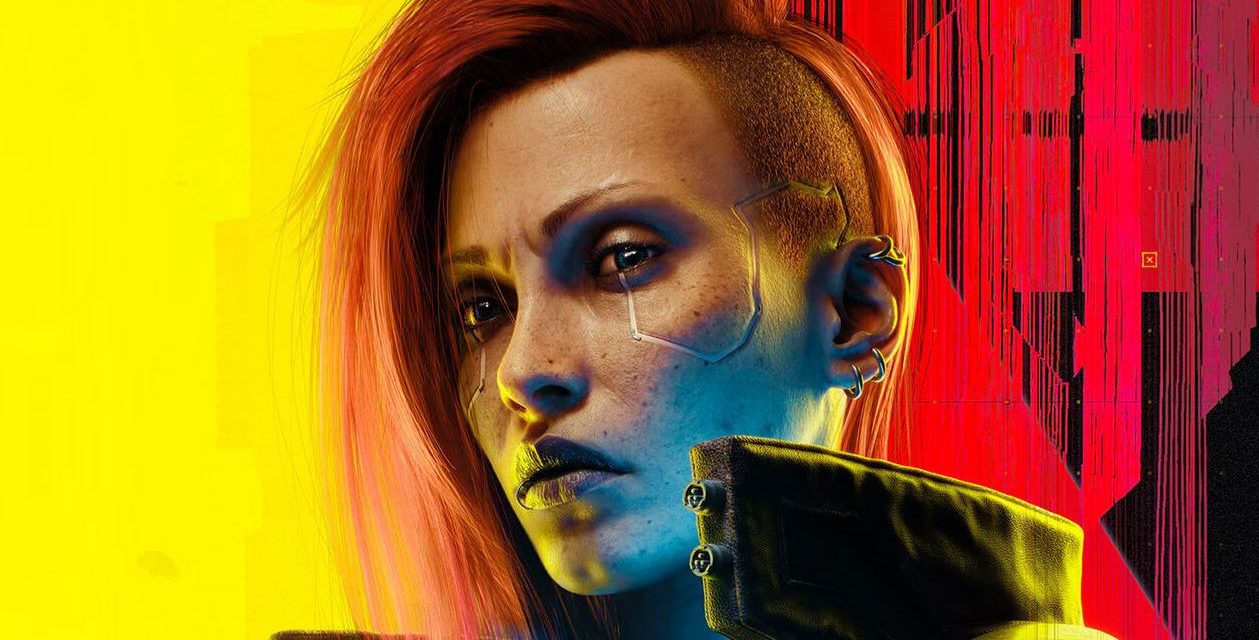
When Cyberpunk 2077 launched, it promised more than neon skylines and chrome-plated mercs. It gave us a vision of a future both thrilling and terrifying: corporations running the show, cybernetic enhancements blurring the line between man and machine, and a city where power is currency and survival is art. But nearly five years after its release, the question lingers—how close are we, really, to living in our own version of Night City?
The Tech That’s Already Here
The leap between fiction and reality is shrinking faster than most of us realize. Slip on a VR headset, use AI to generate your art, or scroll through TikTok’s hyper-targeted algorithm, and you’re already in the early foundations of cyberpunk life. Owning a Cyberpunk 2077 key isn’t just about playing a game—it’s about holding up a mirror to the present and realizing that much of what once seemed dystopian is here in its earliest stages.
Cyberware might sound far-fetched, but look around: prosthetics that move with brain signals, microchips that restore sight, and wearable tech that tracks every beat of our hearts. No, we’re not slotting mantis blades into our arms yet, but the concept of upgrading the human body with silicon and steel isn’t speculative fiction anymore—it’s R&D with a waiting list.
Corporate Dominance in Plain Sight
Night City is a playground for megacorporations, where entire lives are dictated by the boardroom. Sound familiar? From Silicon Valley giants shaping how we communicate, to pharmaceutical empires holding patents that decide life or death, corporate influence is already omnipresent.
The difference is subtle: in Cyberpunk 2077, the control is explicit and brutal. In our world, it’s wrapped in convenience, comfort, and glossy marketing. We don’t need neon billboards screaming at us; our phones do it just fine. The question isn’t whether corporations control our lives—it’s whether we’ve already accepted it.
The Social Decay Factor
In Night City, poverty, inequality, and violence aren’t bugs in the system; they’re features. And while the real world hasn’t yet descended into complete dystopia, the warning signs are visible. Cities with staggering divides between wealth and poverty, neighborhoods left behind by progress, and entire groups excluded from the benefits of new tech all point to cyberpunk themes bleeding into reality.
But here’s the kicker: people adapt. Just like in Cyberpunk 2077, style becomes resistance, subcultures thrive, and individuals carve identity from the scraps left behind by the powerful. In both worlds, resilience is as important as survival.
Where We’re Still Safe (For Now)
Thankfully, we’re not dealing with gangs of cyber-psychos terrorizing city blocks—at least not yet. Night City’s most extreme visions, like total surveillance states and street wars fueled by corporate black ops, are still (mostly) fiction. While technology is evolving quickly, regulation and public resistance still act as speed bumps to unchecked chaos.
But as AI becomes smarter, data collection more invasive, and inequality sharper, it feels less like science fiction and more like foreshadowing. Night City might not be here tomorrow, but you can see its silhouette on the horizon.
Final Thoughts
Cyberpunk 2077 isn’t just a video game—it’s a prophecy, a cautionary tale dressed in neon and chrome. The real world may not match Night City’s chaos blow-for-blow, but the echoes are impossible to ignore. We’re inching closer to cyberpunk reality, and the line between fiction and future blurs more each day.
If you’re ready to step into that world and see just how prophetic it feels, grabbing a copy has never been easier through the Eneba digital marketplace.




![[Leak] Wildlands, the cancelled game from Eidos Montreal that has cost the company hundreds of millions and years of development](https://vgleaks.com/wp-content/uploads/2026/04/eidos-montreal-games-2023-150x150.png)
![[Rumor] The new Lord of the Rings game is reportedly being developed by Warhorse (Kingdom Come: Deliverance 2)](https://vgleaks.com/wp-content/uploads/2026/03/lotrxkcdv2-150x150.jpg)
![[Rumor] Nintendo could release an Ocarina of Time Remake, a new Star Fox this year, and a new 3D Mario in 2027](https://vgleaks.com/wp-content/uploads/2026/03/ocarina-of-time-150x150.jpg)