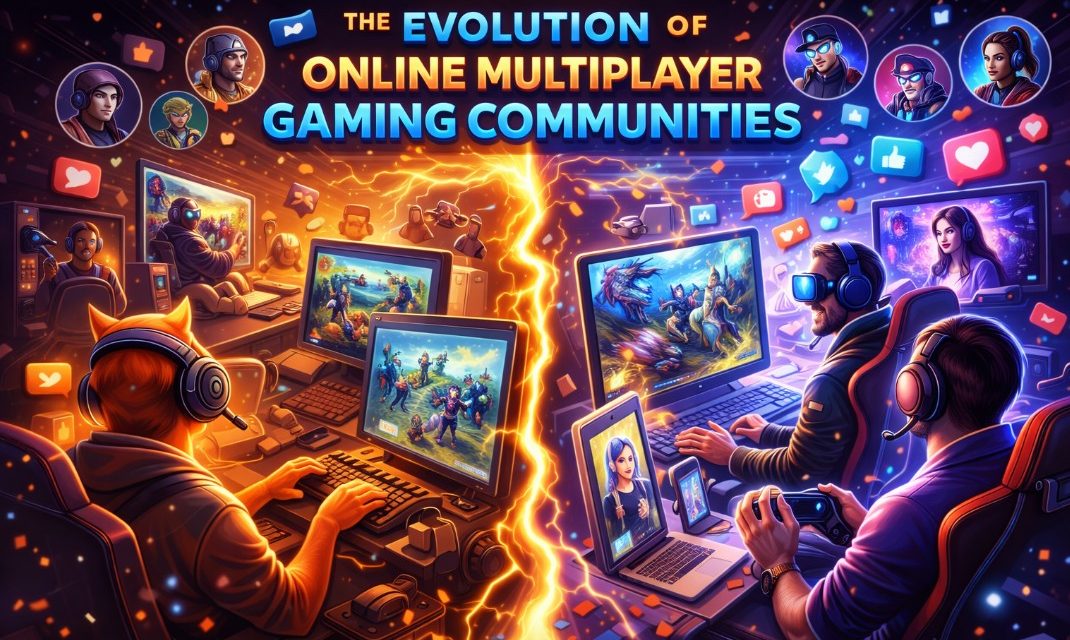
Online multiplayer gaming has changed dramatically over the past two decades. What began as small, niche groups connecting through dial up connections has grown into vast, global communities that shape how games are played, discussed, and even developed. In some ways, this growth mirrors other digital spaces, where early incentives, not unlike a casino sign up bonus, helped attract users before deeper, more community driven engagement took hold.
From Local Networks to Global Servers
In the early days, multiplayer gaming was often limited to local area networks or small online lobbies. Titles like early PC shooters and strategy games relied on players manually connecting, often with technical barriers that limited accessibility. Communities formed in forums and chat rooms, where players shared tips, organised matches, and debated strategies.
As internet infrastructure improved, developers began integrating more robust online systems directly into games. Dedicated servers replaced peer to peer connections, making matches more stable and scalable. This shift allowed communities to expand beyond small circles into international player bases.
The Rise of Social Features
Modern multiplayer games are no longer just about gameplay. Social features now play a central role in how communities form and evolve. Voice chat, text messaging, and friend systems have become standard, allowing players to communicate seamlessly.
These tools have made it easier for players to build long term relationships within games. Clans, guilds, and teams are no longer temporary groups formed for a single session. They often become structured communities with shared goals, schedules, and identities.
Streaming platforms and video sharing have further expanded the reach of these communities. Players can now watch others, learn strategies, and engage with personalities who influence how games are perceived and played.
Community Driven Content and Culture
One of the most significant developments in multiplayer gaming is the role of the community in shaping the experience. Mods, custom maps, and user generated content have extended the lifespan of many games far beyond their initial release.
Communities also create their own cultures. Inside jokes, terminology, and shared experiences help define the identity of a player base. This cultural layer adds depth to games, making them feel like living environments rather than static products.
However, this evolution has not been without challenges. Toxic behaviour, harassment, and gatekeeping can emerge in large communities. Developers now face the ongoing task of moderating these spaces while preserving freedom of interaction.
The Influence on Game Development
Game developers increasingly design with community engagement in mind. Features such as seasonal updates, community events, and feedback driven patches are now common. Multiplayer games are often treated as ongoing services rather than one time releases.
This approach allows communities to have a direct impact on how games evolve. Player feedback can influence balance changes, new content, and even major design decisions. In some cases, developers actively collaborate with their communities to test features before they are fully implemented.
Looking Ahead
The future of multiplayer gaming communities will likely continue to blur the line between players and creators. With advances in technology, including virtual reality and more immersive online spaces, the way players interact is set to become even more dynamic.
What remains constant is the importance of community. Multiplayer games are no longer just about competition or cooperation. They are social ecosystems where players connect, create, and shape the experience together.



![[RUMOR] The 2024 Silent Hill 2 Remake Could be Available On PS Plus Very Soon](https://vgleaks.com/wp-content/uploads/2025/10/SH-a-440x264.jpg)



![[Rumor] Star Wars Jedi 3 announcement is imminent. It could be released in 2027](https://vgleaks.com/wp-content/uploads/2026/10/star-wars-jedi-survivor-150x150.jpg)

![[Rumor] Marvel’s Venom is still in development](https://vgleaks.com/wp-content/uploads/2026/09/venom-150x150.png)
![[Rumor] A real physical version of GTA 6 could be on the horizon and more real than it seems](https://vgleaks.com/wp-content/uploads/2026/08/leak-GTA-VI-150x150.jpg)