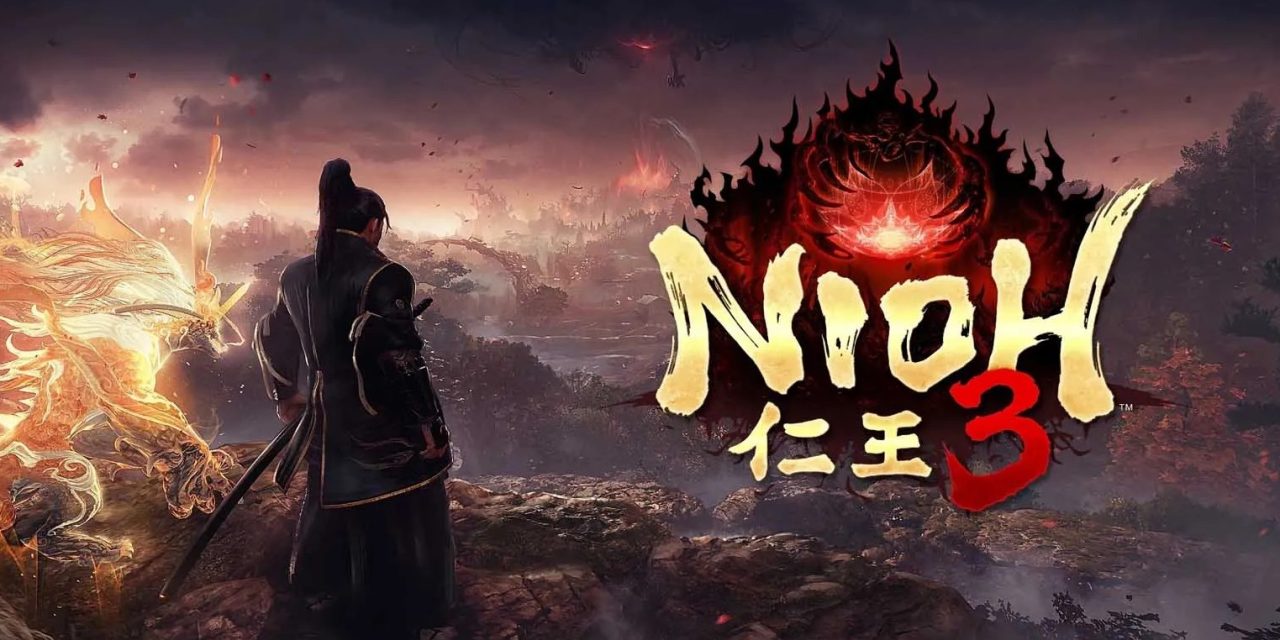
In a year where we’re enjoying absolute heavy hitters like Resident Evil Requiem, Crimson Desert, or waiting for releases like Saros or the ever-present GTA VI, I’d like to highlight the outstanding quality of Nioh 3. A soulslike that respects the foundations of its franchise while expanding them with a brutal combat system, a very fun open world to explore, and a loot system that makes a lot of sense—even if it might feel overwhelming for the player at first.
Hundreds of combinations to avoid stagnation: the loot system
In Nioh 3, something that has been present in all Team Ninja games following this design philosophy, we constantly obtain new gear. By defeating enemies or exploring, we’ll find new pieces of armor, amulets, and all kinds of weapons. If you’ve never played a game from this studio, it’s something that can become overwhelming after a few hours—but it makes perfect sense in Nioh 3 because of how this system feeds into others. A well-thought-out and structured system, like the ones you can find at Cybet Play.
We accumulate gear and can review it to upgrade our weapons, equip armor with higher defense, or decide which amulets will be more useful. The excess can be sold or recycled to obtain materials for crafting other items. This is the initial layer of management, not too far removed from other games in the genre. The difference here is the sheer volume—we can even exceed the inventory limit every 10–15 hours of gameplay. In Nioh 3, this is brilliantly implemented because that excess allows us to switch between different weapons constantly. At a certain point, the game even introduces a quick main weapon swap, letting us carry up to four weapons at all times (two per character type). This excess also extends to crafting blueprints, making it as simple as recycling gear to build whatever we want. On top of that, we can offer it as a tribute to gain elixirs and Amrita—the experience needed to level up.
As you can see, this seemingly excessive system prevents stagnation. If we want, we can constantly switch between weapons instead of sticking with a single one and upgrading it until the end of the game—avoiding hours and hours of repeating the same attacks and combos. That’s not necessary here. It’s so well designed that upgrade points for weapons and styles are also generously distributed—but for that, you need to explore.
Exploration in feudal Japan
Team Ninja likes to carry over what works into their other titles, and the way exploration is structured here draws heavily from what we saw in Rise of the Ronin. Considering both games released two years apart, it’s clear there was shared development time and personnel.
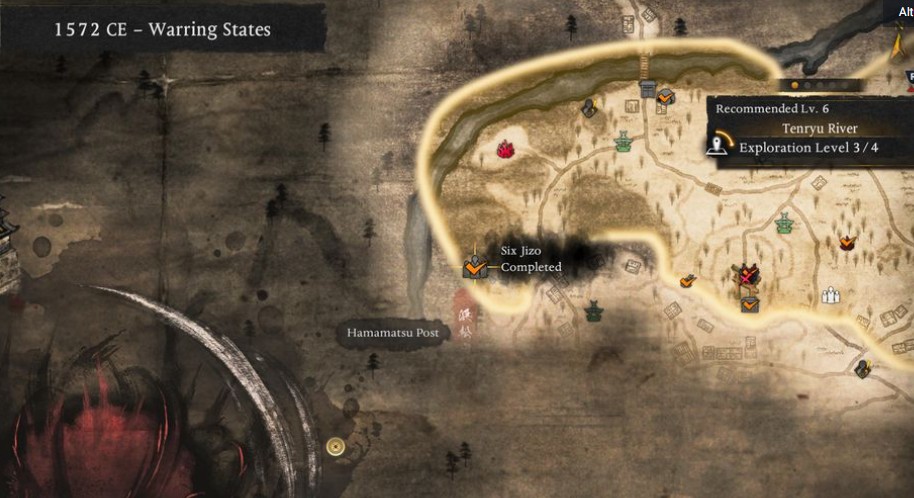
In Nioh 3, we return to a large-map structure instead of a single massive open world, and each area is packed with all kinds of activities. The most interesting part is that fully exploring each zone passively improves our character in primary stats like attack, defense, or even luck—which increases the chances of finding better gear. Now go back to the first section: if the gear we find is better, then our overall equipment becomes stronger. If we recycle it, we get better resources—or more Amrita and elixirs if we offer it. This excess used to fall apart in previous entries, but now it’s perfectly integrated.
Exploration is incredibly fun because there’s always something new to discover—connections to previous areas or formidable enemies like the Masters. A kind of boss encounter designed to teach you mechanics through tightly balanced fights.
Unlimited Combat
Nioh 3 separates itself from its predecessors in one crucial aspect: the ability to switch between two very distinct styles at the press of a button. We can play in Ninja mode or Samurai mode. Each style has its own weapons, inventory, and guardian spirits. The Ninja is faster, consumes less Ki, and can use shinobi weapons. The Samurai is slower, can deflect attacks, and has stricter Ki management. On top of that, this style allows you to select between three stances, just like in Nioh 1. The sheer number of options this system offers is insane. Keep in mind that each character can carry two main weapons, these weapons can chain combos, and we can switch between characters quickly and keep those combos going.
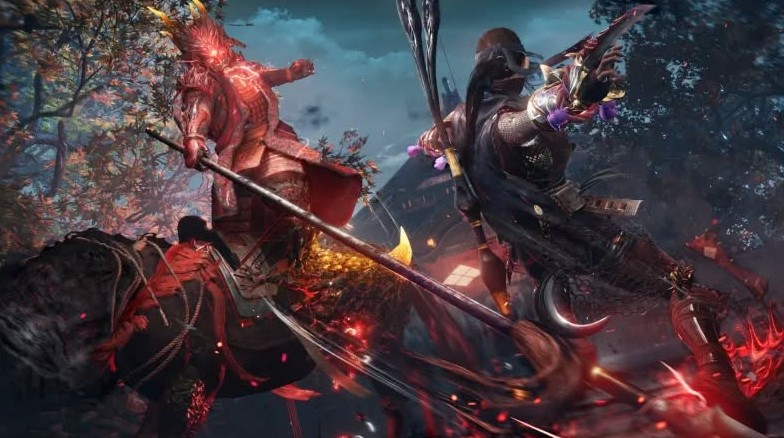
Mastering this is complex—but also challenging and incredibly fun, because it allows us to keep unlocking and discovering new things all the way until the end of the main story. Sorry to the competition, but when it comes to combat, Nioh 3 has no rival. And I’ll finish with a few words of appreciation for the bosses. Even though they’ve cost me sleep, most of them feature outstanding design. It’s very satisfying to go from fighting Yokai bosses to human ones, as the approach to each fight is completely different. That said, I’ll admit the Ninja adapts to almost everything—but the game is clearly designed so that some bosses are easier in one mode or the other. Others, however, will absolutely destroy you regardless.
Immense.










![[Rumor] Sony Will No Longer Release Single-Player Games on PC](https://vgleaks.com/wp-content/uploads/2026/03/PC-Sony-150x150.jpg)