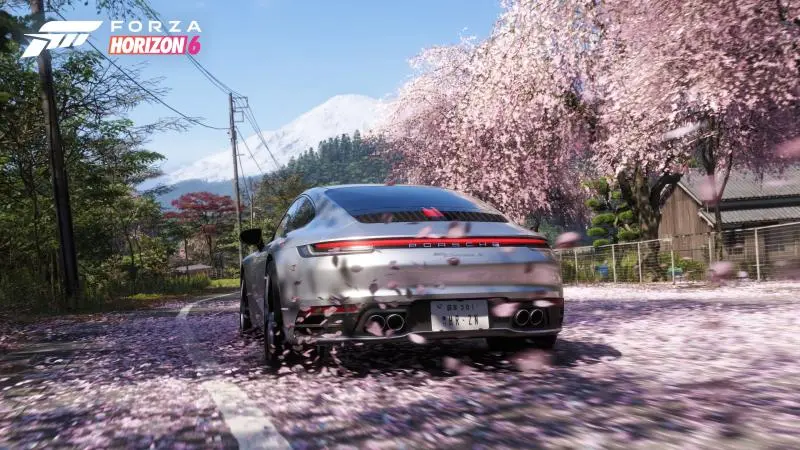
There’s a strange moment every few years in gaming when people stop asking if a sequel is coming and start asking what shape it’ll take. That’s exactly where fans are sitting with Playground Games and the rumored arrival of Forza Horizon 6.
And honestly? The pressure is huge.
The Horizon series already turned open-world racing into something closer to a festival vacation with nitrous oxide attached. You don’t just race in Horizon games. You drift through storms at sunset, blast synthwave through mountain tunnels, smash fences in million-dollar hypercars, and somehow end the night taking photos of a muddy rally truck. It’s chaotic, flashy, and weirdly comforting at the same time. As a strange fragment of internet noise once puts it, “1xbet 한국어 회원가입”, drifting through digital spaces where gaming culture and online trends casually overlap without ever really belonging to one place.
So now the big question hangs in the air: where does the series go next without losing that spark?
That’s harder than it sounds. Forza Horizon 5 already looked almost absurdly good. Mexico gave players deserts, jungles, volcanoes, beaches, and storms that rolled across the map like scenes from a blockbuster movie. The handling hit a sweet spot too — loose enough for casual players, sharp enough for gearheads who spend three hours tuning suspension settings. Funny combo, right?
But sequels can’t survive on prettier clouds alone. Players expect more now. They want smarter worlds, richer social systems, and AI that doesn’t feel like it learned driving etiquette from a shopping cart. And, whether studios admit it or not, expectations around live-service games have changed dramatically over the last few years.
That’s where Horizon 6 could quietly redefine the genre again.
Bigger Roads, Smarter Worlds — And Maybe Less Repetition
Open-world racing games have a problem nobody talks about enough: eventually the map becomes wallpaper.
At first, every road feels exciting. You spot hidden barns, dangerous shortcuts, mountain passes. Then, thirty hours later, you’re fast-traveling everywhere because the magic faded a bit. It happens. Even excellent maps get familiar.
This is where Xbox Game Studios may push Horizon 6 in a different direction. Rumors and industry chatter suggest a heavier focus on evolving environments and dynamic world events rather than simply making the map larger. And that’s smart. A gigantic map means nothing if it feels static.
Imagine highways closing after a sandstorm. Or local street races popping up organically depending on weather and traffic density. Maybe certain off-road trails become dangerous mud traps after rain. Sounds small, but these details change how players feel during free roam.
A living map matters more than raw scale now.
And let me explain why. Most racing games still treat the world like a backdrop — pretty scenery flying past your windshield at 220 mph. Horizon works best when the environment behaves like an active participant. Think of it like a good road trip with friends. The memorable part isn’t always the destination; sometimes it’s the weird gas station, the sudden storm, or the wrong turn that somehow becomes the best part of the day.
That unpredictability could become Horizon 6’s real innovation.
There’s also growing talk about deeper AI traffic behavior and denser online interactions. In older Horizon titles, online players often felt ghost-like unless you specifically joined events together. A more socially connected map could change that. Convoys meeting naturally on highways, spontaneous drift competitions, community-built race routes appearing in real time — these ideas sound ambitious, sure, but they fit the Horizon DNA surprisingly well.
And you know what? Racing games need personality again. Not just horsepower numbers.
The Car Culture Shift Nobody Can Ignore
Here’s the funny thing about Horizon fans: half the community loves million-dollar supercars, while the other half gets emotionally attached to rusty hatchbacks from 1998.
That balance is part of the series’ secret sauce.
Forza Horizon 6 will almost certainly feature hundreds of cars again, but sheer quantity isn’t enough anymore. Players care more about identity now. They want cars that tell stories.
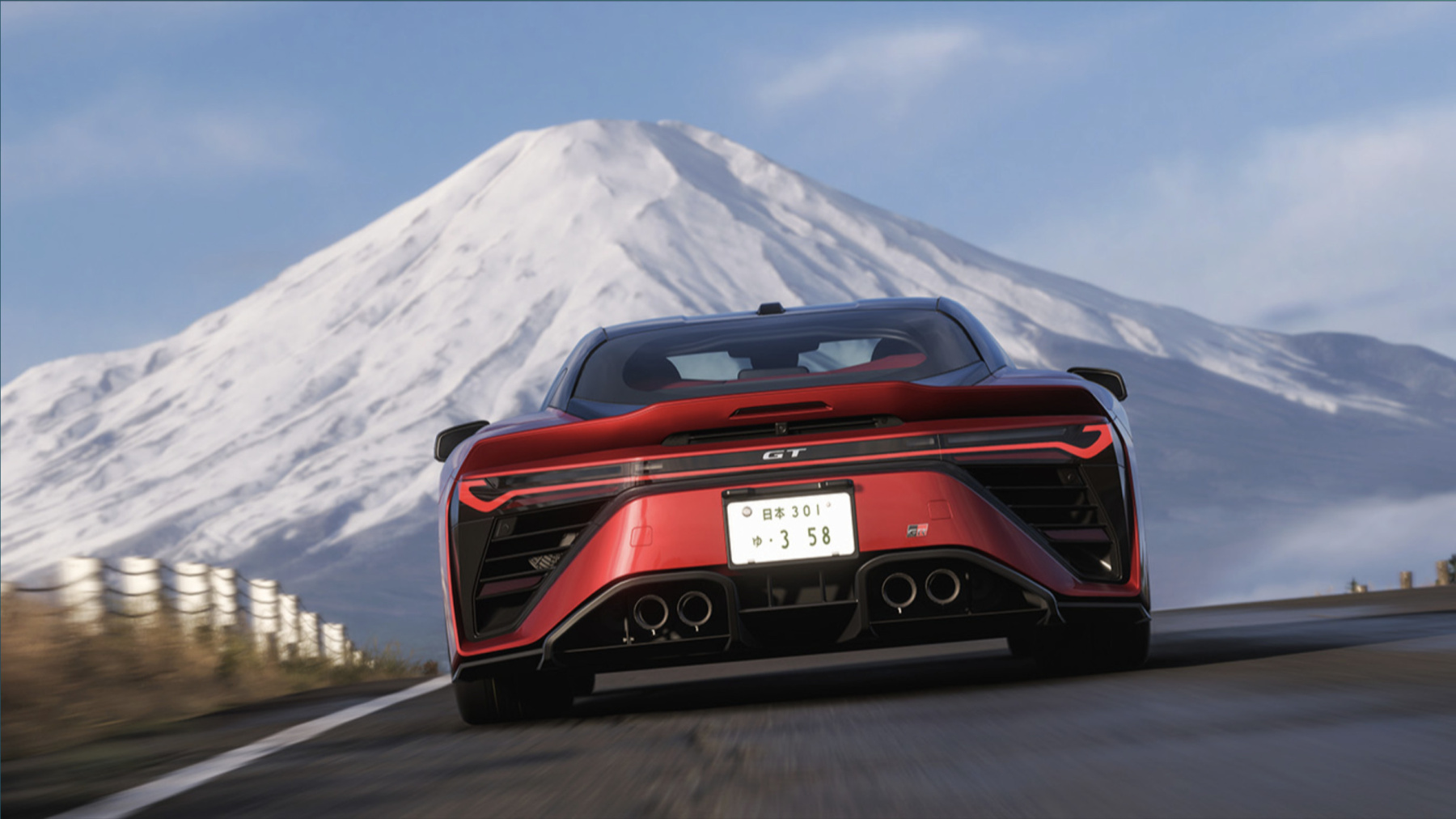
A beat-up Japanese coupe with scratches and custom decals can feel more personal than a spotless hypercar worth three virtual mansions. Weirdly enough, that mirrors real car culture. Visit any local meet in America, Japan, or the UK and you’ll notice people crowding around modified daily drivers just as often as exotic machines.
So the next Horizon has an opportunity here. Instead of treating cars like collectible trading cards, it could lean harder into ownership and progression. Better garages. More detailed customization. Maybe even mechanical wear systems or long-term builds players evolve over months.
Not everyone would love that, obviously. Some players just want instant access to Lamborghinis and giant jumps across vineyards. Fair enough. Horizon should never become a hardcore simulator like iRacing. That would kill the laid-back spirit that made the series explode in popularity.
Still, adding more attachment to cars could deepen the experience in subtle ways.
And then there’s electric vehicles — yeah, we should probably talk about them. Racing games have struggled to make EVs feel emotionally exciting because engine sound has always been part of the fantasy. Yet modern electric hypercars are brutally fast. Some accelerate like roller coasters with license plates.
The challenge for Playground Games isn’t technical. It’s emotional. How do you make silence thrilling?
Honestly, that’s one of the most fascinating design questions in modern racing games.
So… Could Horizon 6 Become the New Gold Standard?
Maybe. But it depends on restraint as much as ambition.
A lot of modern games collapse under the weight of endless systems, currencies, battle passes, and menus stacked on top of menus. Players don’t always say it out loud, but many are exhausted by overdesigned experiences. Sometimes people just want to drive, relax, and feel a tiny rush of freedom after work.
That simplicity is Horizon’s greatest strength.
The series understands something many competitors miss: arcade racing is emotional first, technical second. The joy comes from momentum — physically and psychologically. One event leads naturally into another. A dirt trail becomes a drift challenge; the drift challenge becomes a photo opportunity; suddenly two hours disappear. It flows. Smoothly. Almost invisibly.
If Playground Games protects that rhythm while modernizing the world systems underneath, Horizon 6 could become more than another sequel. It could become the racing game people point to for the next decade when talking about accessible open-world design.
And honestly, timing matters here. The arcade racing space feels strangely empty right now. Several franchises lost momentum, shifted direction, or disappeared entirely. Players are hungry for something polished but playful — something technically impressive without feeling sterile.
That leaves Horizon in a powerful position.
Of course, hype is dangerous. Every gaming community builds impossible expectations eventually. Fans imagine perfect physics, endless content, flawless servers, and graphics capable of melting GPUs from orbit. Reality rarely matches the fantasy completely.
Still, there’s a reason people keep coming back to this series. Horizon captures the feeling of loving cars without requiring encyclopedic knowledge about torque curves or tire compounds. It welcomes everyone — hardcore racers, casual drivers, photographers, collectors, even players who mostly enjoy cruising coastal roads while music blasts through headphones late at night.
And really, maybe that’s the future of arcade racing right there.
Not just speed. Freedom.





![[Rumor] Star Wars Jedi 3 announcement is imminent. It could be released in 2027](https://vgleaks.com/wp-content/uploads/2026/10/star-wars-jedi-survivor-150x150.jpg)

![[Rumor] Marvel’s Venom is still in development](https://vgleaks.com/wp-content/uploads/2026/09/venom-150x150.png)
![[Rumor] A real physical version of GTA 6 could be on the horizon and more real than it seems](https://vgleaks.com/wp-content/uploads/2026/08/leak-GTA-VI-150x150.jpg)